Namak Para
Namak Para
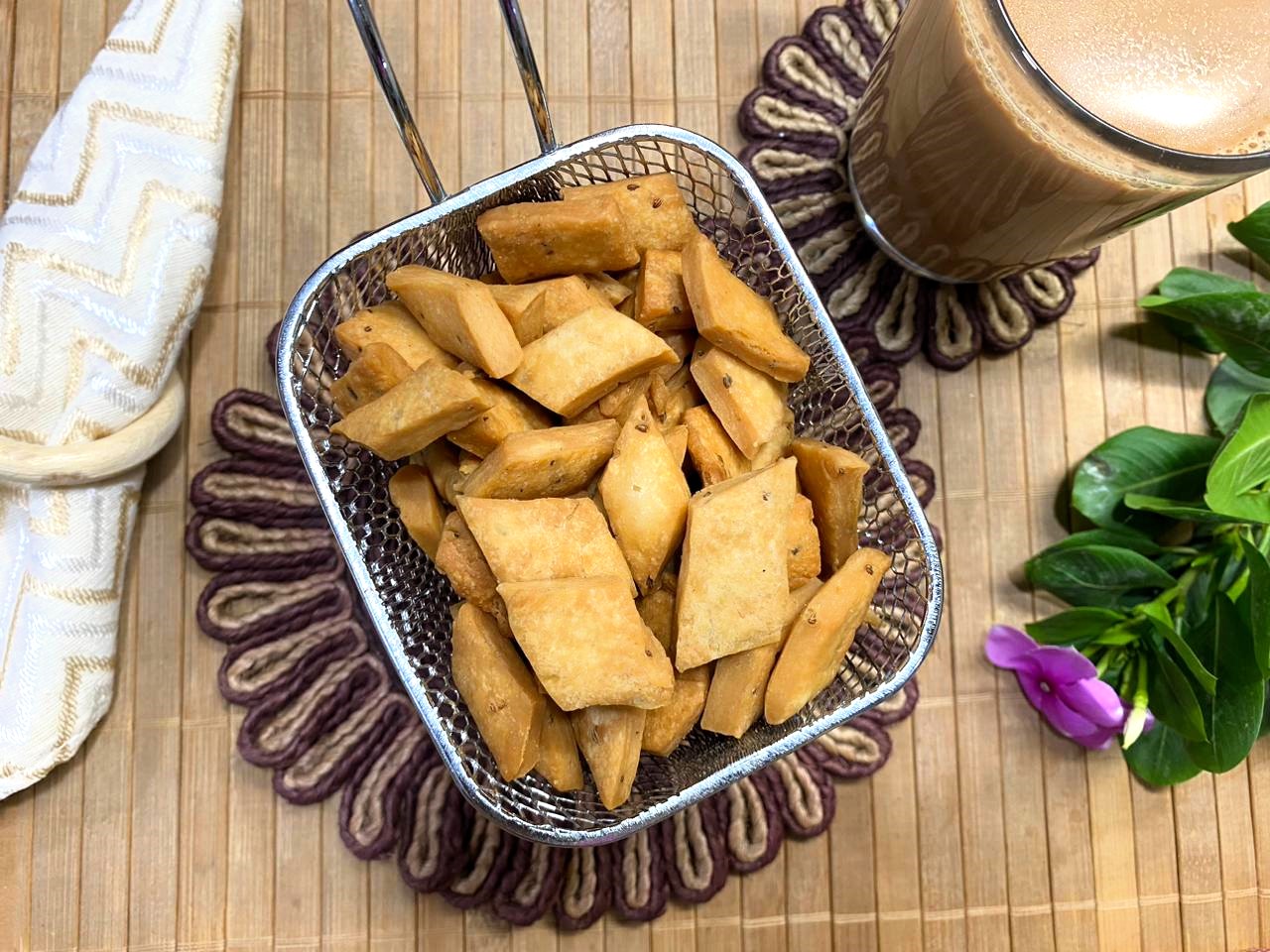
Namak Para Recipe, also known as Nimki or Namak Pare, is a crispy Indian snack made with seasoned flour dough that is rolled, cut into strips or diamonds and deep-fried until golden and crunchy. Lightly spiced, flaky and incredibly addictive, this traditional snack is perfect for tea-time, festive celebrations and everyday munching.
Namak means “salt” in Hindi, while para or pare refers to small pieces. As a result, Namak Para literally translates to “salty bites”. This popular snack shares many similarities with North Indian Mathri, although the shape and texture differ slightly. While Mathri is usually larger and round, Namak Para is cut into bite-sized strips, squares or diamonds, making it ideal for snacking.
The texture of Namak Para closely resembles the crisp pastry used in Punjabi samosas. Consequently, every bite delivers a wonderful crunch and a rich savoury flavour. Depending on the region, you may also hear it referred to as Nimki or Nimkin, especially in parts of Eastern and Northern India.
Growing up, my mother always prepared Namak Para during festivals and family gatherings. The snack would be stored in large containers and served alongside tea whenever friends and relatives visited. Moreover, it was one of the first homemade festive snacks to disappear because everyone loved its crispy texture and savoury flavour.
To this day, I still prepare Namak Para regularly for tea-time snacking and festive occasions. One of the things I love most about this recipe is its simplicity. With just a few pantry ingredients, you can create a snack that stores beautifully and remains crisp for days. The key to success lies in kneading a firm dough, which helps achieve the signature flaky and crunchy texture.
Whether you are preparing a festive snack platter, hosting guests or simply looking for something delicious to enjoy with a cup of tea, this Namak Para Recipe is guaranteed to become a household favourite.
What is Namak Para?
Namak Para is a traditional Indian savoury snack prepared with flour, spices and fat, which are combined into a firm dough, cut into shapes and deep-fried until crisp.
Unlike sweet festive snacks, Namak Para delivers a savoury flavour and satisfying crunch. As a result, it has remained a popular tea-time and festival snack across India for generations.
Why You’ll Love This Namak Para Recipe
Crispy and crunchy texture
Perfect tea-time snack
Made with simple pantry ingredients
Ideal for festive celebrations
Great make-ahead snack
Long shelf life
Easy to prepare in large batches
Moreover, the recipe requires minimal preparation and stores exceptionally well. In addition, it makes a wonderful homemade gift during festivals and celebrations. Finally, it pairs perfectly with tea and coffee.
Ingredients You’ll Need
Plain Flour
Plain flour forms the base of the recipe and creates the characteristic crisp texture.
Ghee or Oil
Ghee or oil helps create flaky layers and improves the texture of the Namak Para.
Carom Seeds (Ajwain)
Ajwain adds flavour and contributes a traditional aromatic touch.
Salt
Salt enhances the flavour and balances the richness of the dough.
Spices
Simple spices add warmth and depth while keeping the snack flavourful and versatile.
Serving Suggestions
Serve Namak Para with:
Masala Chai
Ginger Tea
Coffee
Green Chutney
Pickle
Alternatively, include it as part of a festive snack platter. Likewise, it makes an excellent travel snack because it stays fresh for days.
What Makes This Recipe Special?
This Namak Para Recipe stands out because it combines simplicity, flavour and texture in one bite-sized snack. Unlike many savoury snacks that require complex preparation, Namak Para uses basic ingredients to create an incredibly satisfying result.
Moreover, the crisp texture and mild seasoning make it suitable for all ages. As a result, it remains one of the most loved homemade snacks during festivals and celebrations.
Storage
Store Namak Para in an airtight container at room temperature for up to 3 weeks.
Once completely cooled, it retains its crisp texture exceptionally well. Consequently, it is one of the best snacks to prepare ahead for festivals and special occasions.
Namak Para Recipe FAQs
What is the difference between Namak Para and Mathri?
Both snacks use similar ingredients. However, Namak Para is usually cut into small strips or diamonds, while Mathri is traditionally larger and round.
Why is my Namak Para not crispy?
A soft dough can result in less crispy Namak Para. Therefore, always knead a firm dough and fry on medium heat.
Can I make Namak Para in advance?
Yes. In fact, Namak Para stores very well and is traditionally prepared several days before festivals.
How long does Namak Para last?
When stored in an airtight container, it stays fresh for up to 3 weeks.
Can I flavour Namak Para differently?
Absolutely. Ajwain, cumin seeds, black pepper and dried herbs all work well in this recipe.
Other recipes you might like to try are Samosa, Pinwheel Samosa, Matar Kachori, Aloo Bread Rolls and Khasta Moong Dal Kachori.

Ingredients
2 cups plain flour
Salt to taste
1 teaspoon carom seeds
4 tablespoons oil
5-6 tablespoons cold water
Oil for deep frying
Directions
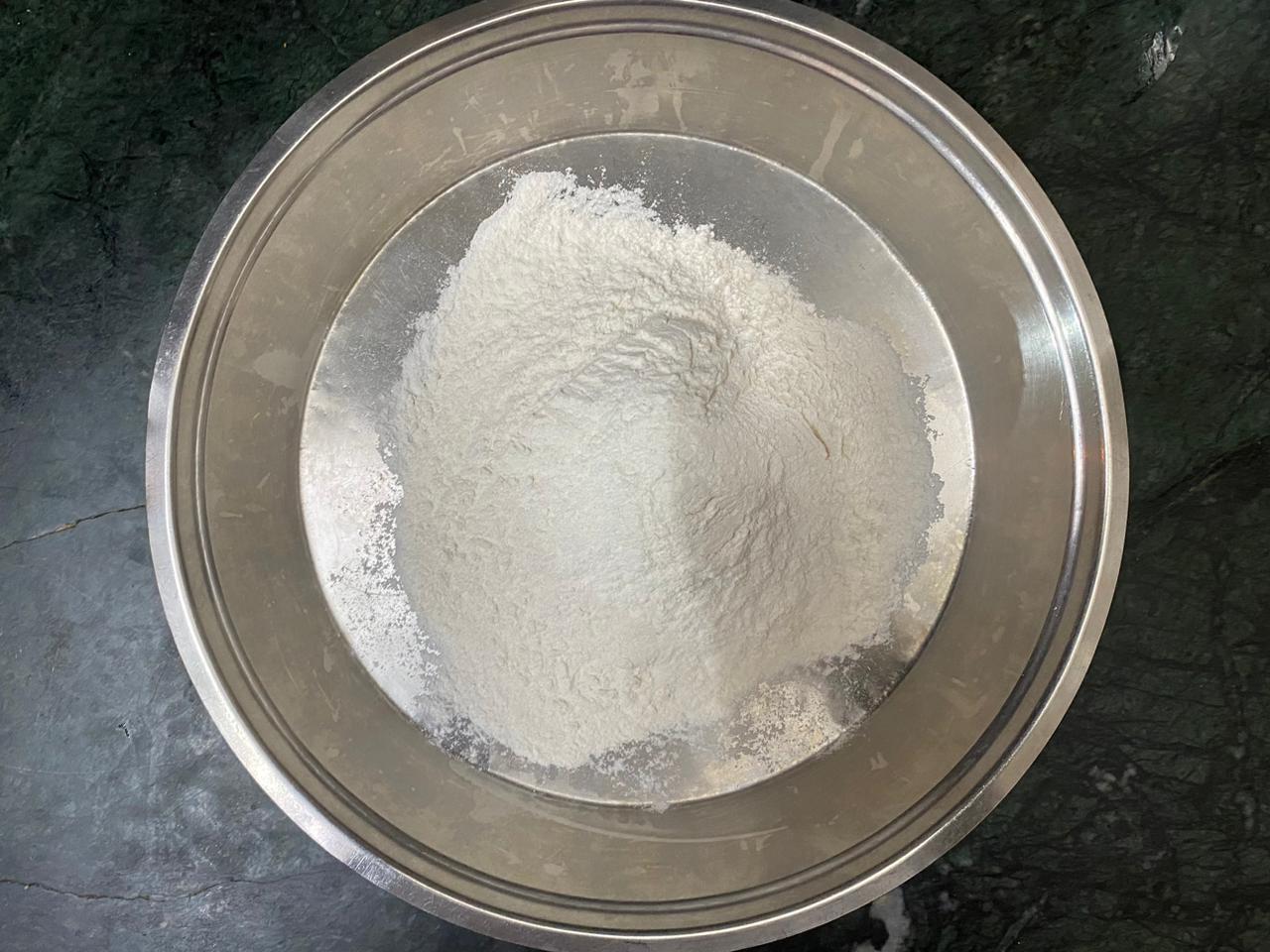
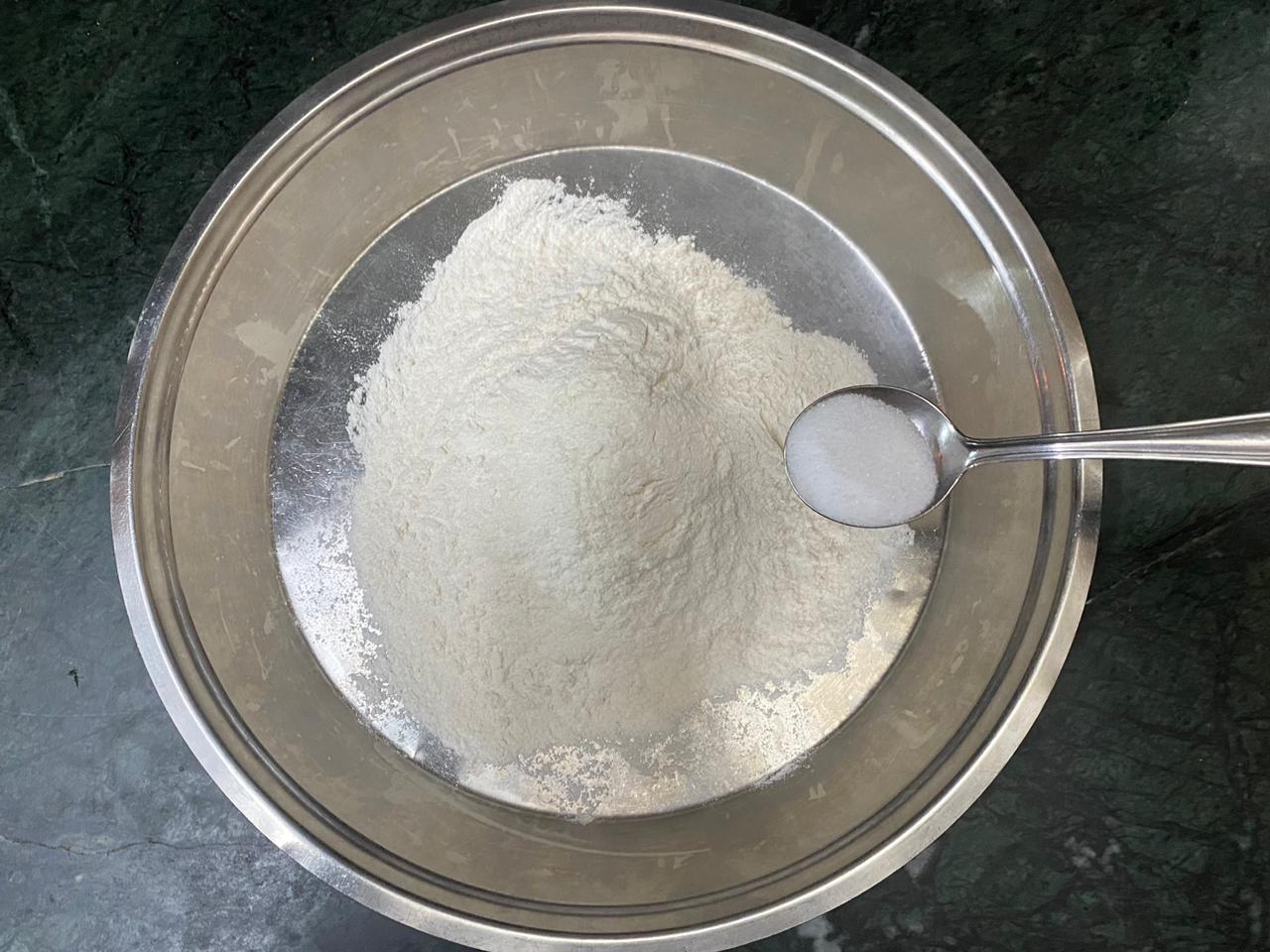
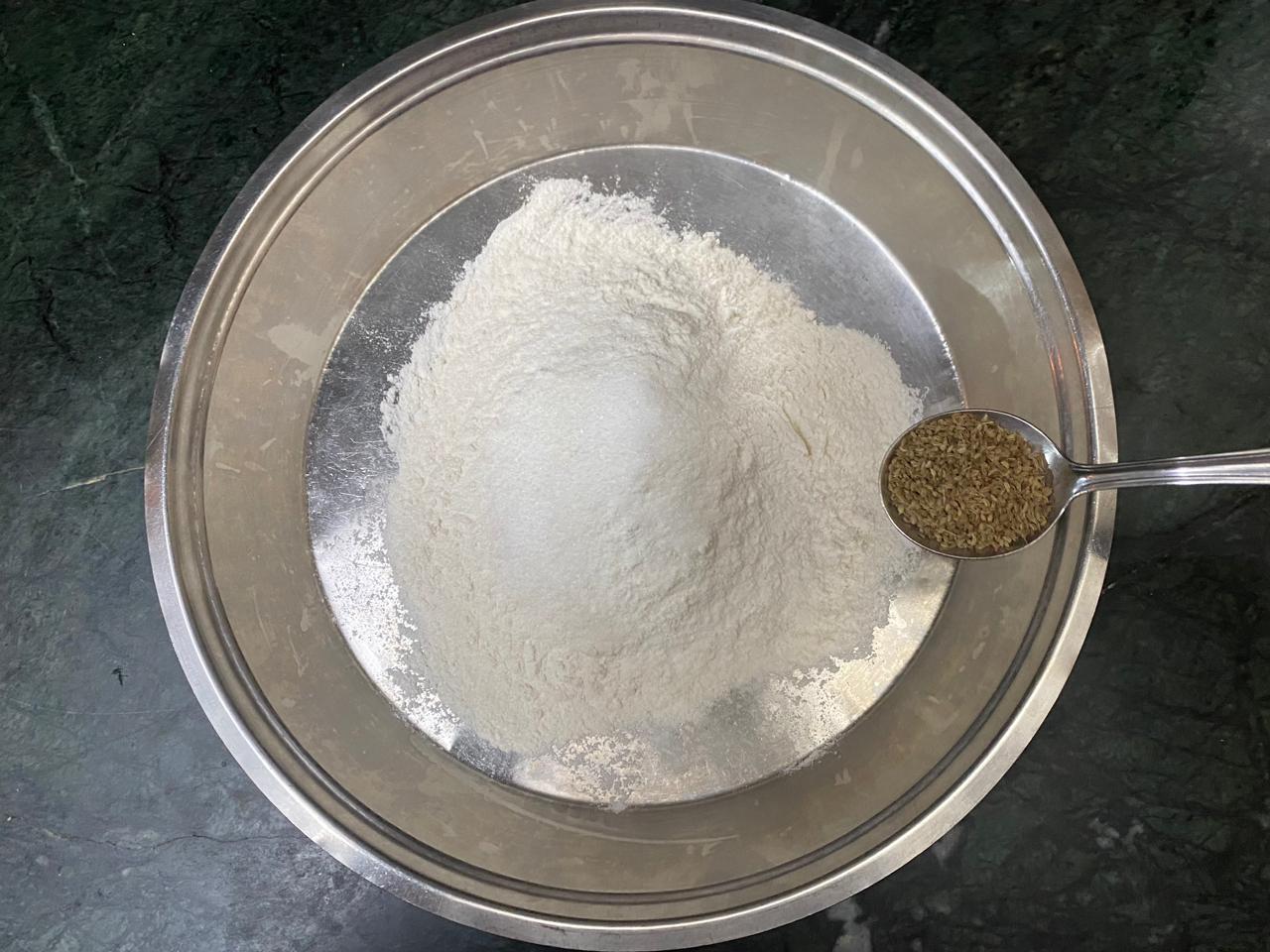
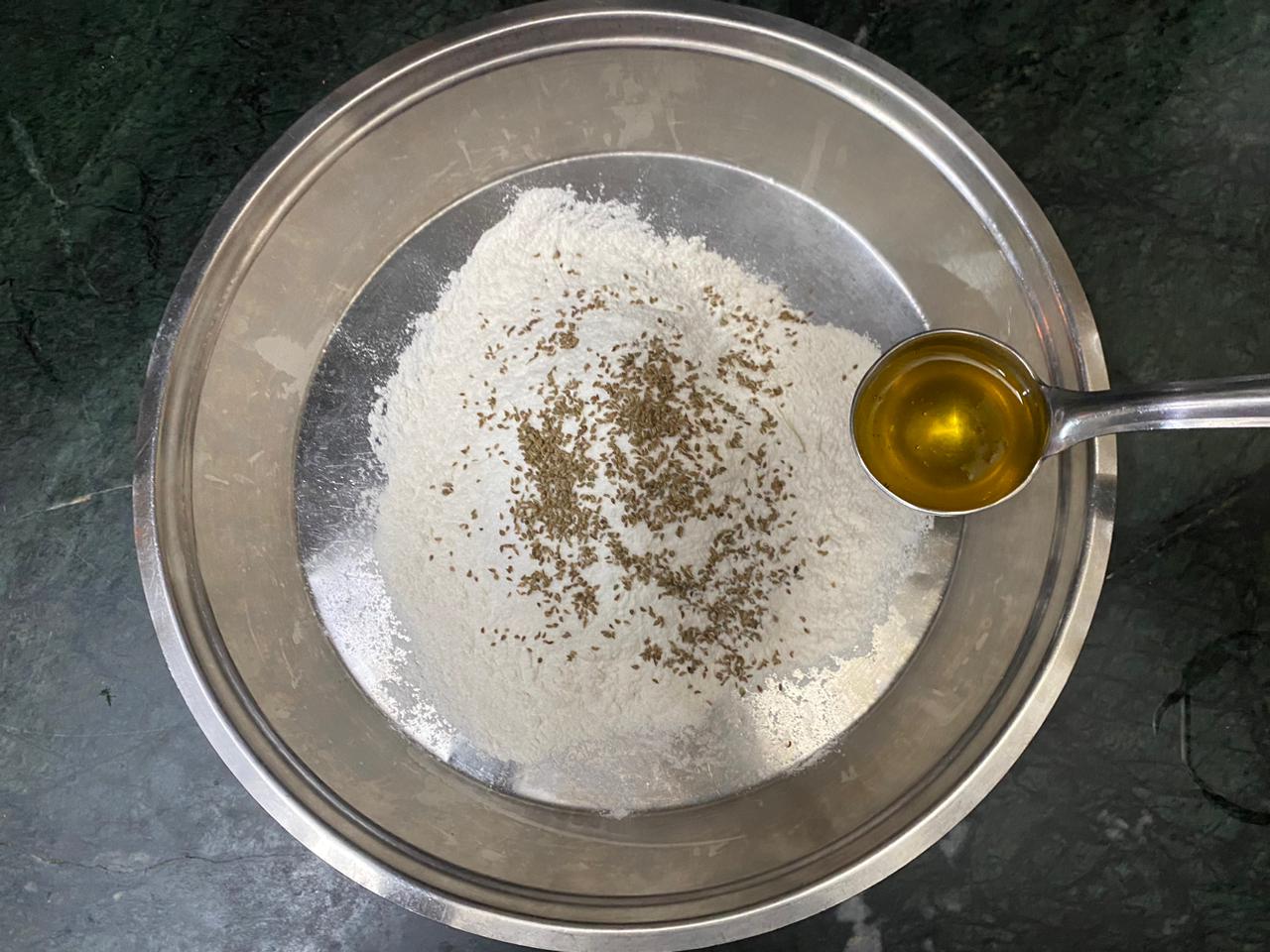
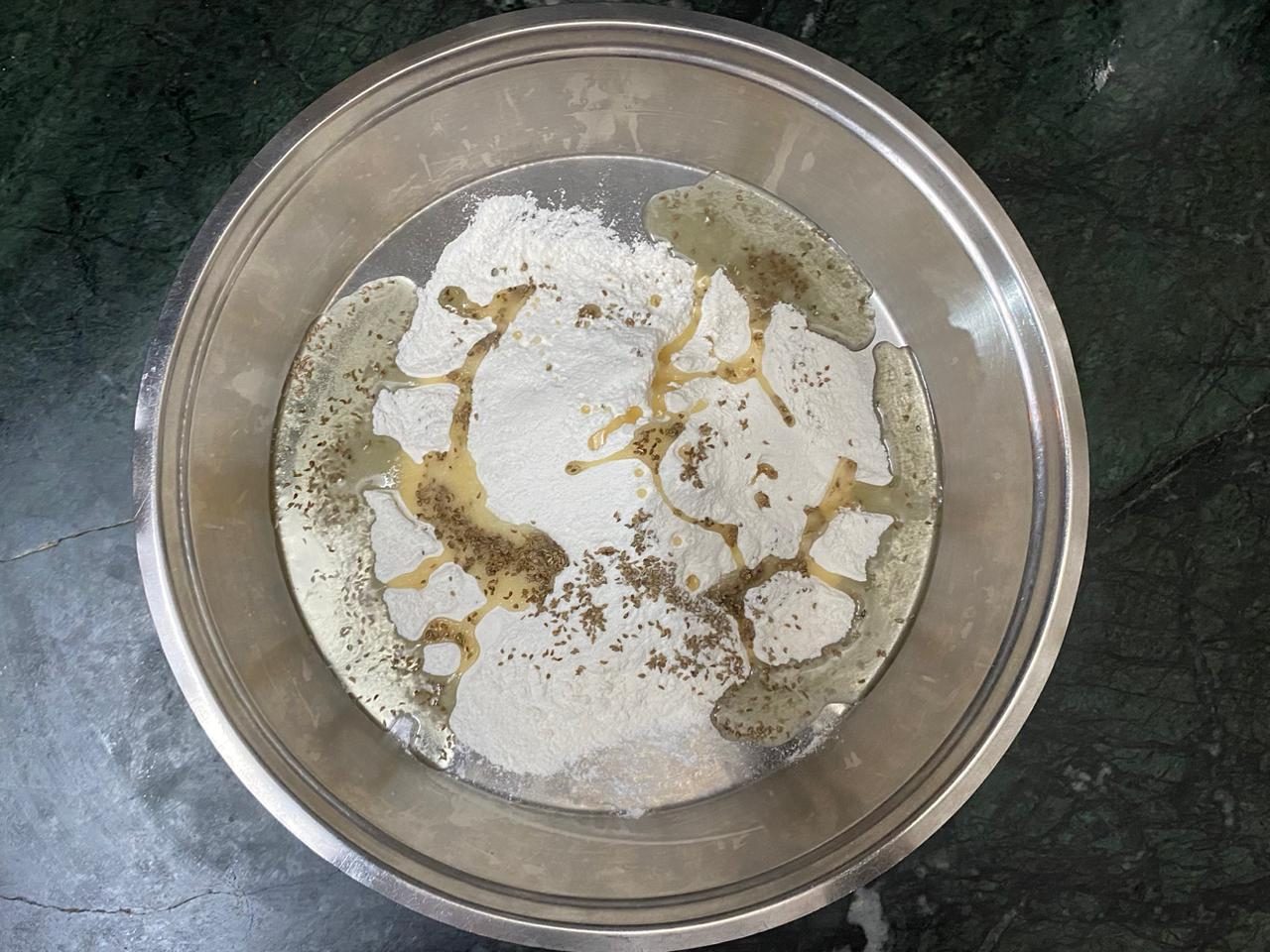
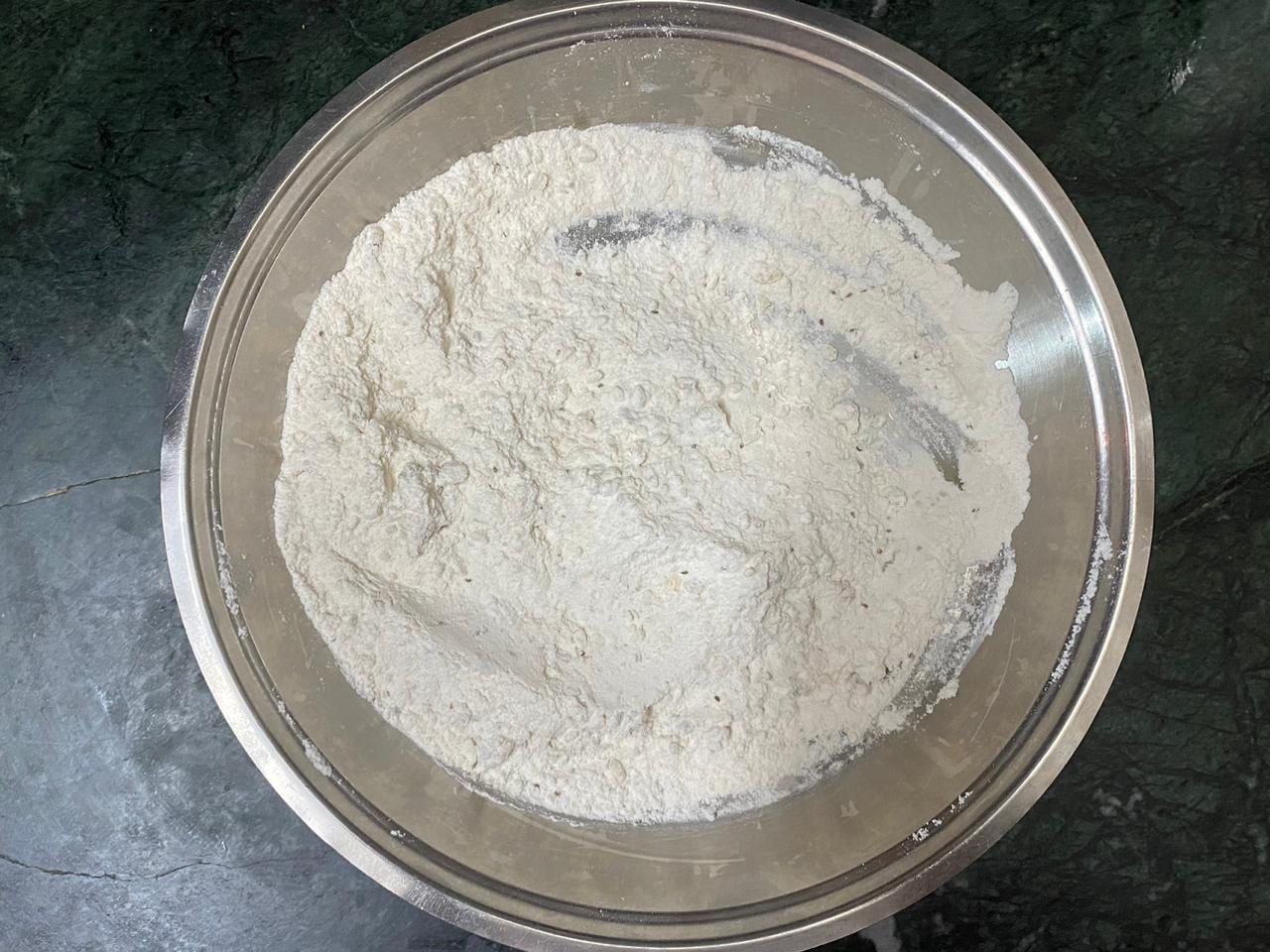
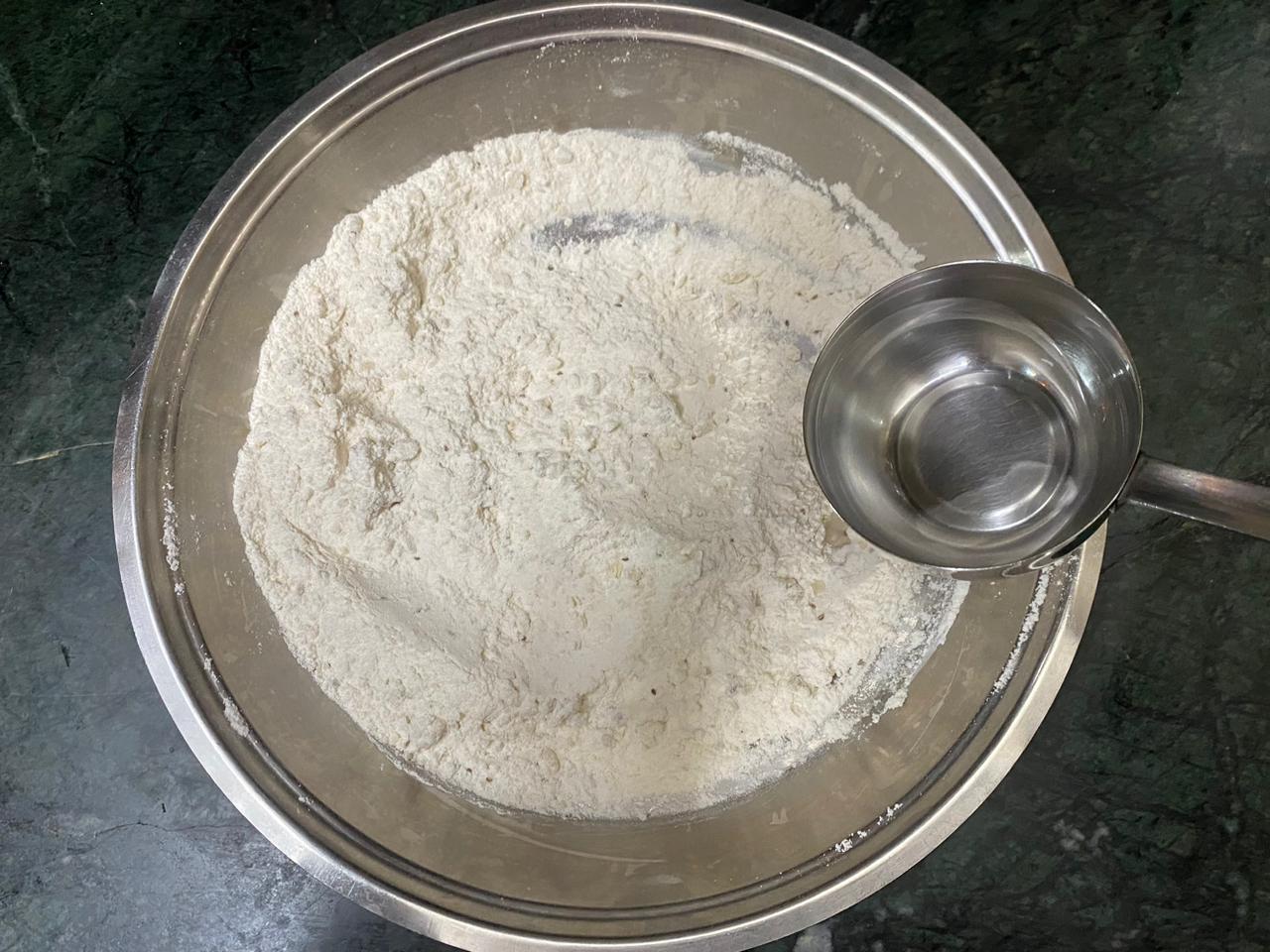
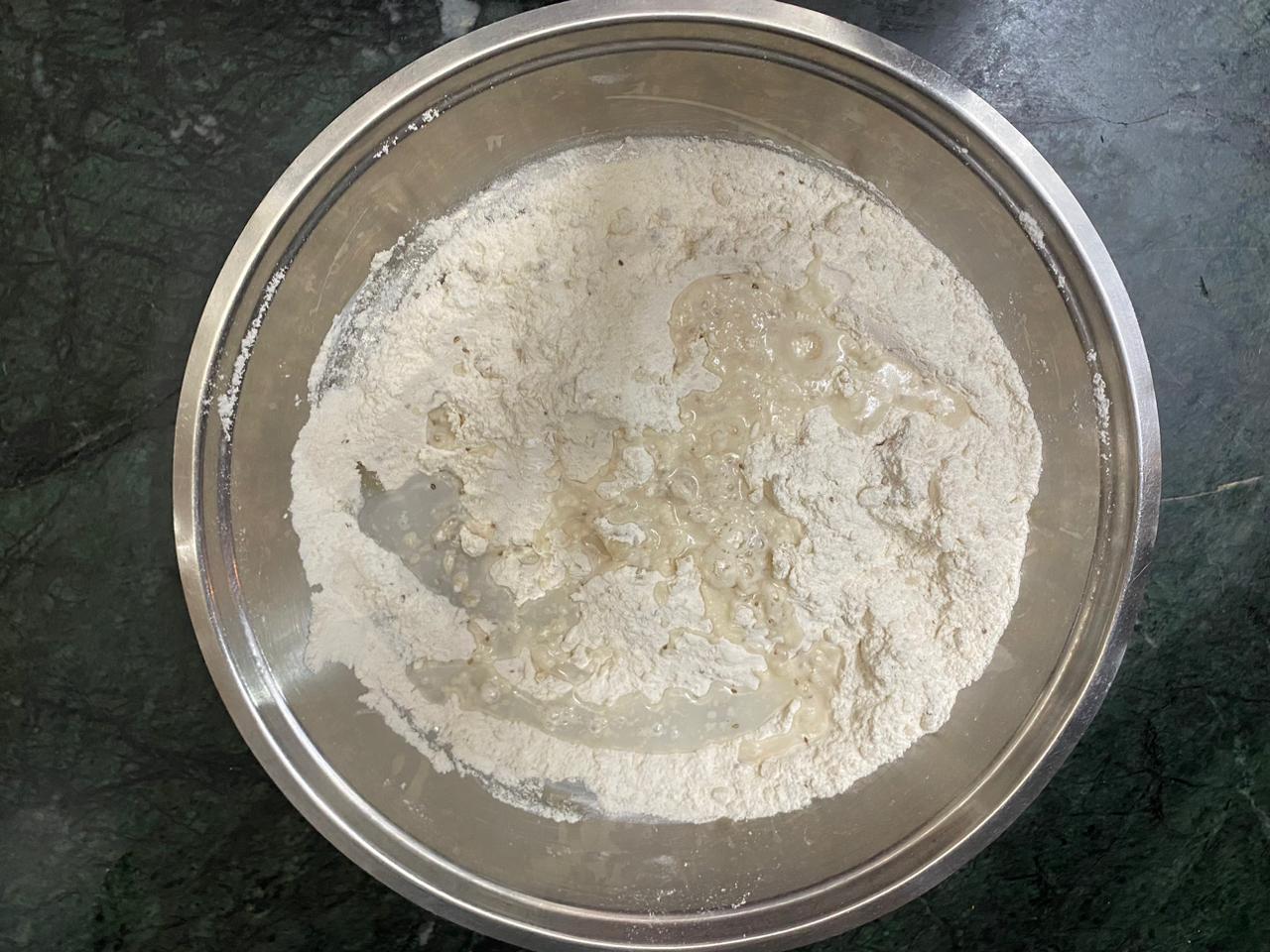
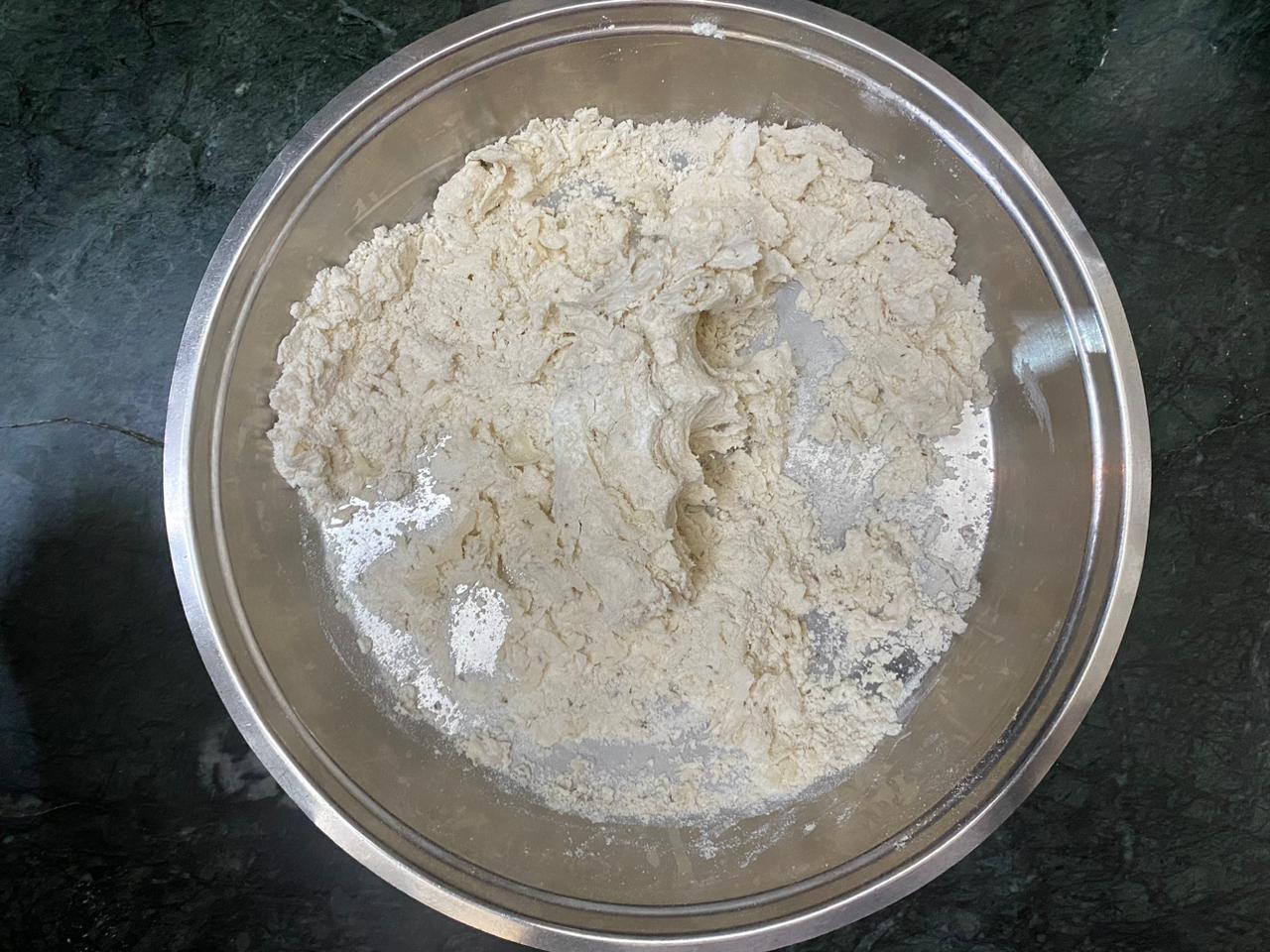
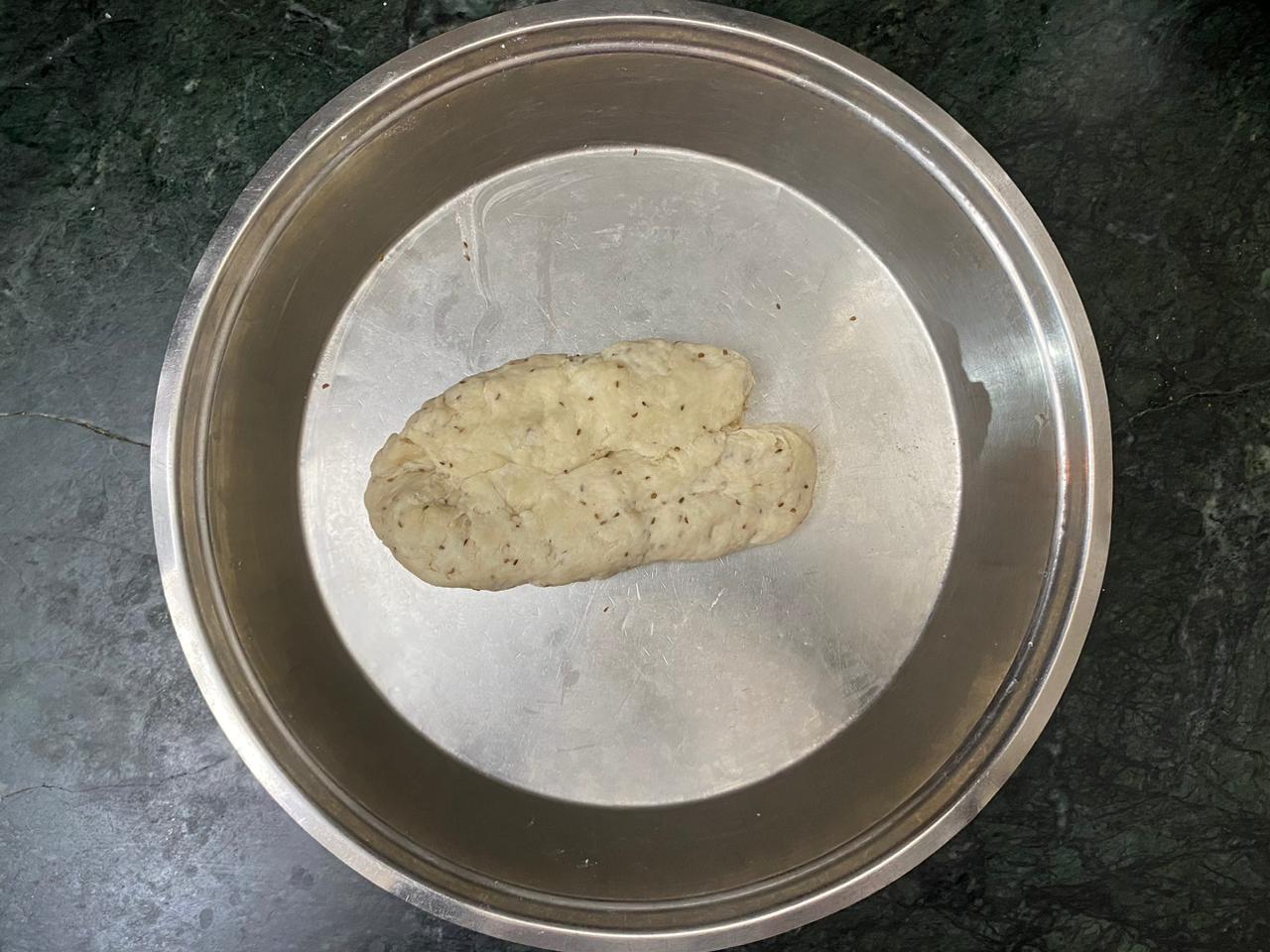
Mix flour, salt, carom seeds, oil and 2 tablespoons of water and rub the mixture together with your fingertips. Rub the mixture together till it resembles bread crumb (around 3-4 minutes).
Press some flour in your palm and it should form a shape (and not crumble) which means oil is enough and well incorporated.
Using your hand begin to sprinkle in a little water at a time to bring the dough together. Continue to add the water slowly until the dough comes together. The dough should be firm.
Cover and set aside for at least 30 minutes.
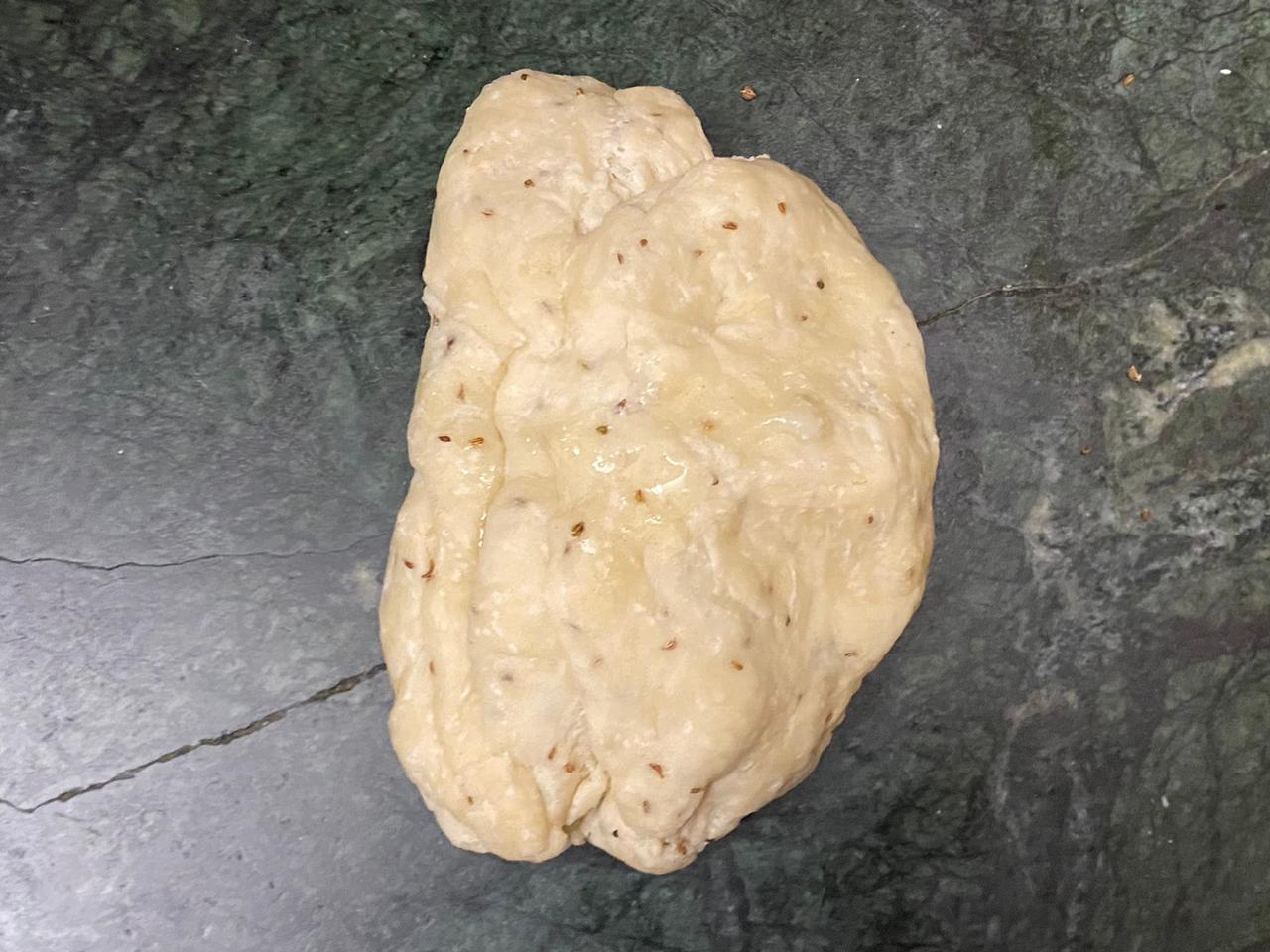
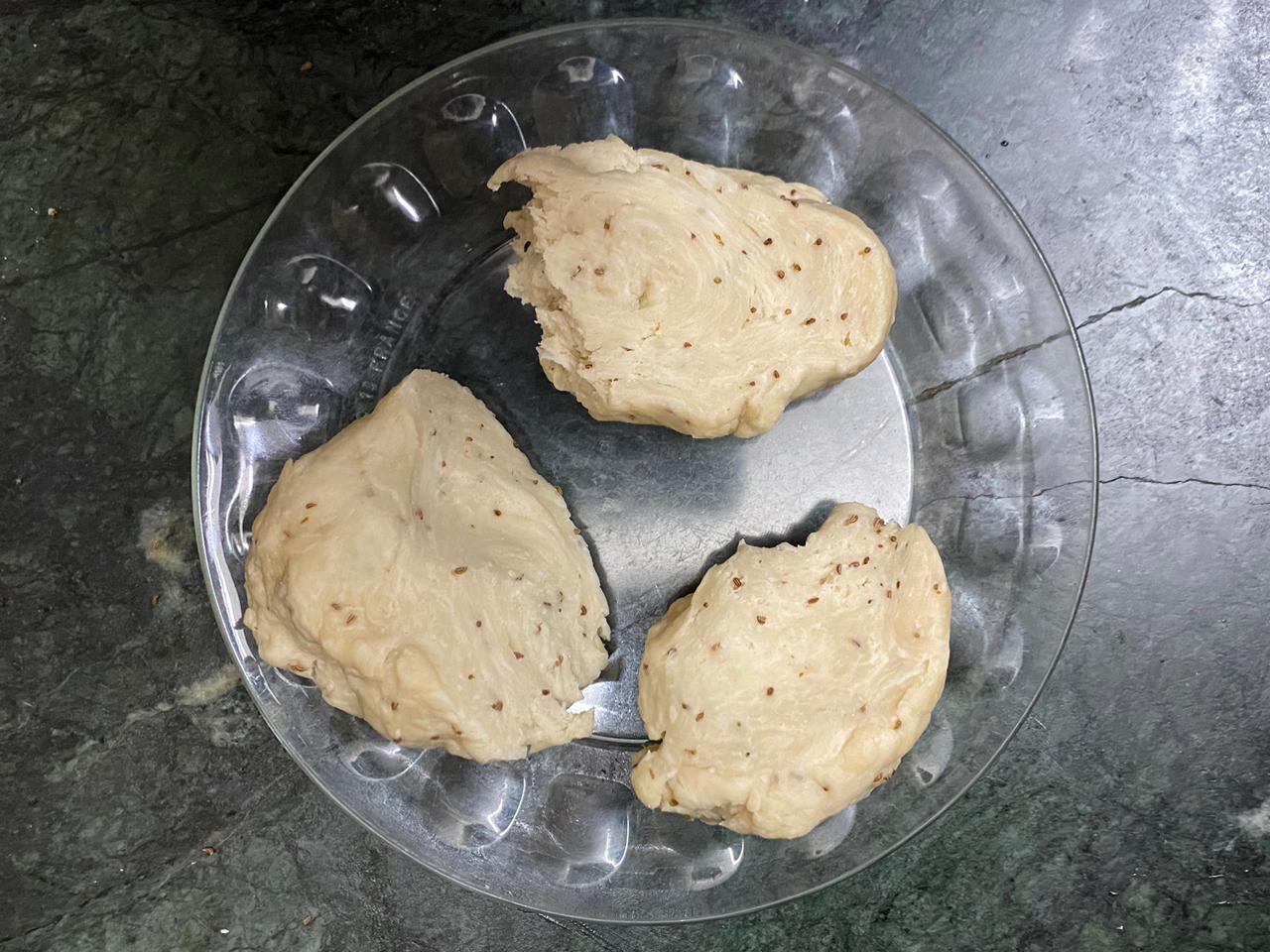
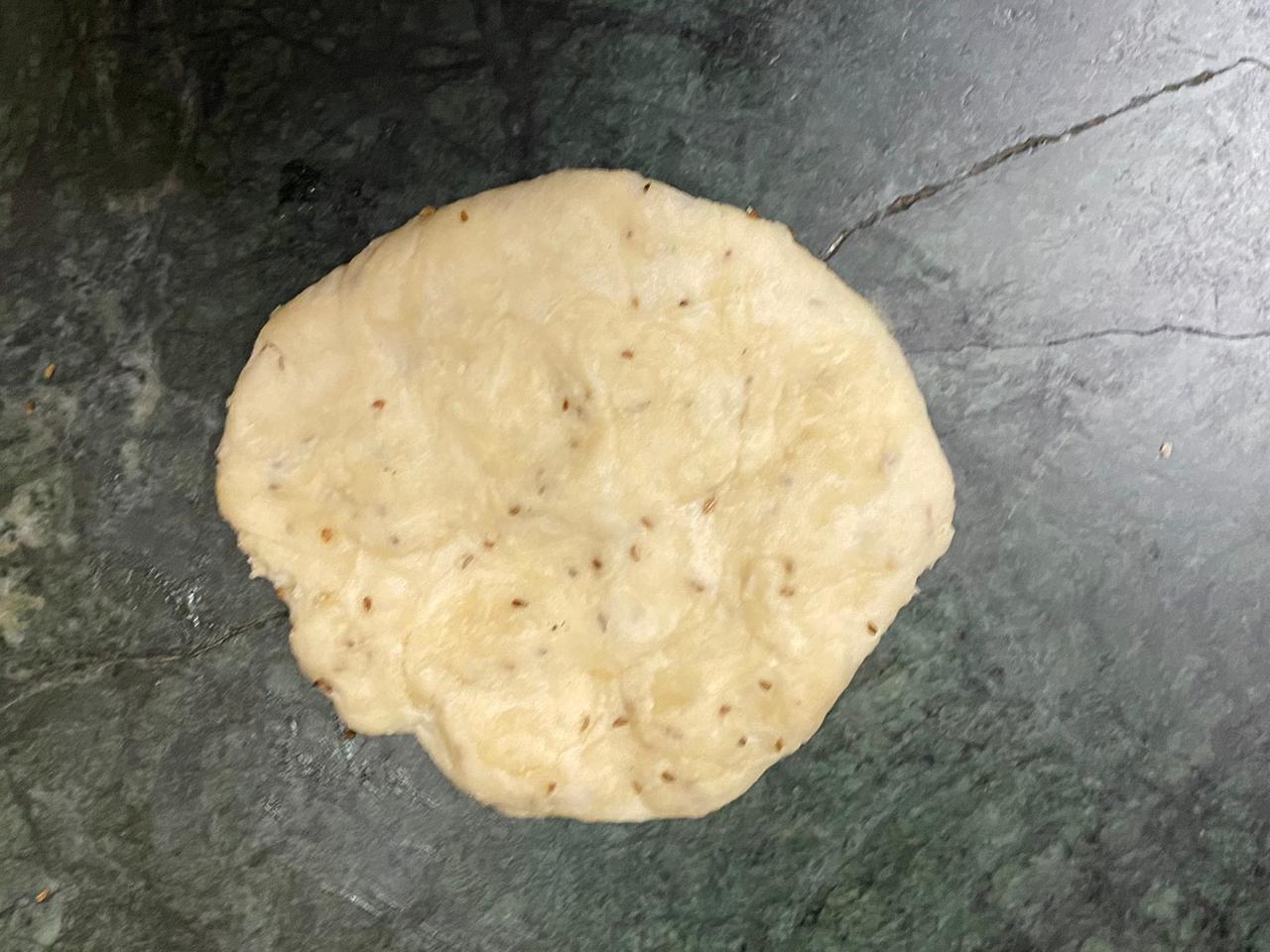
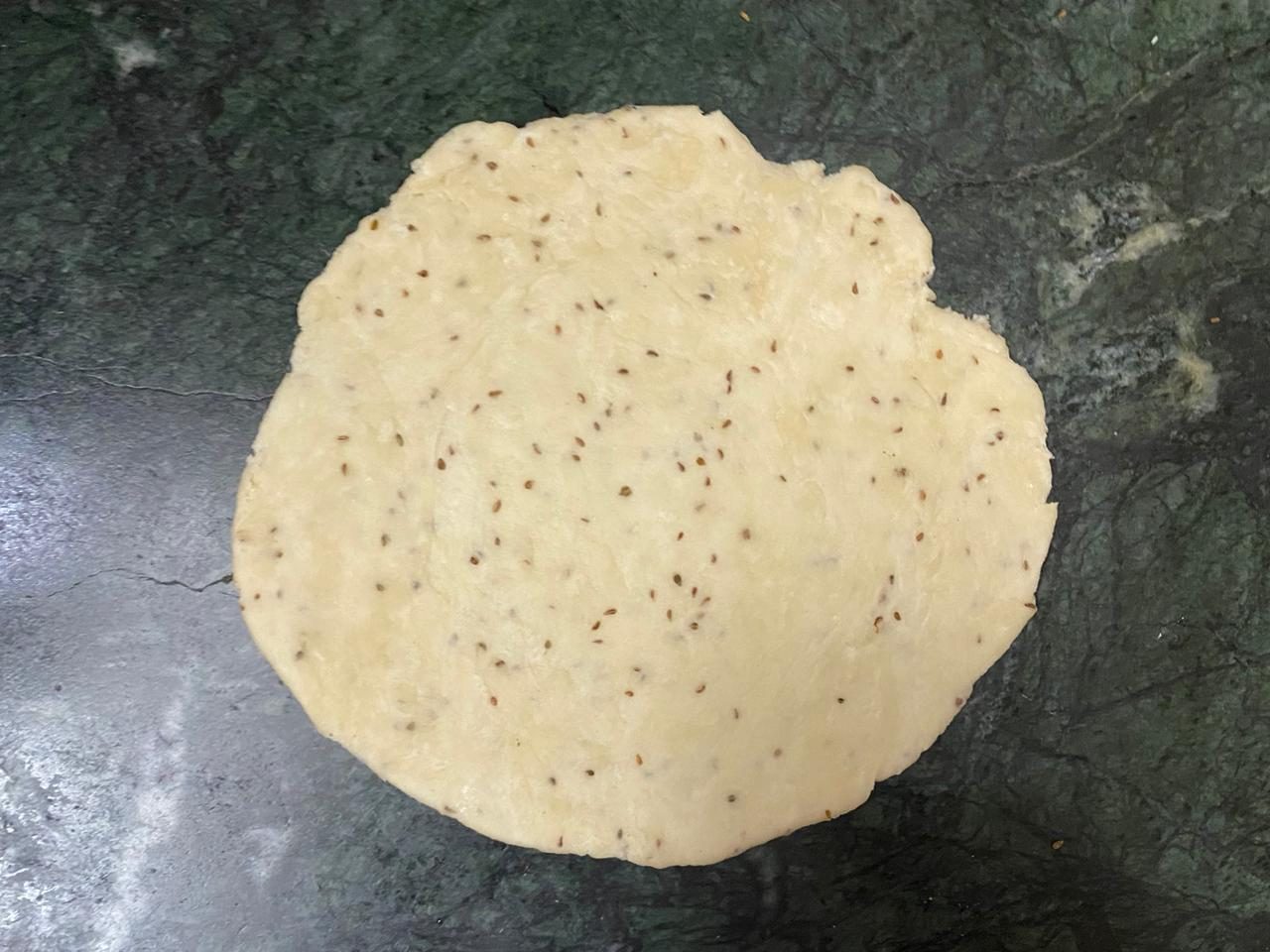
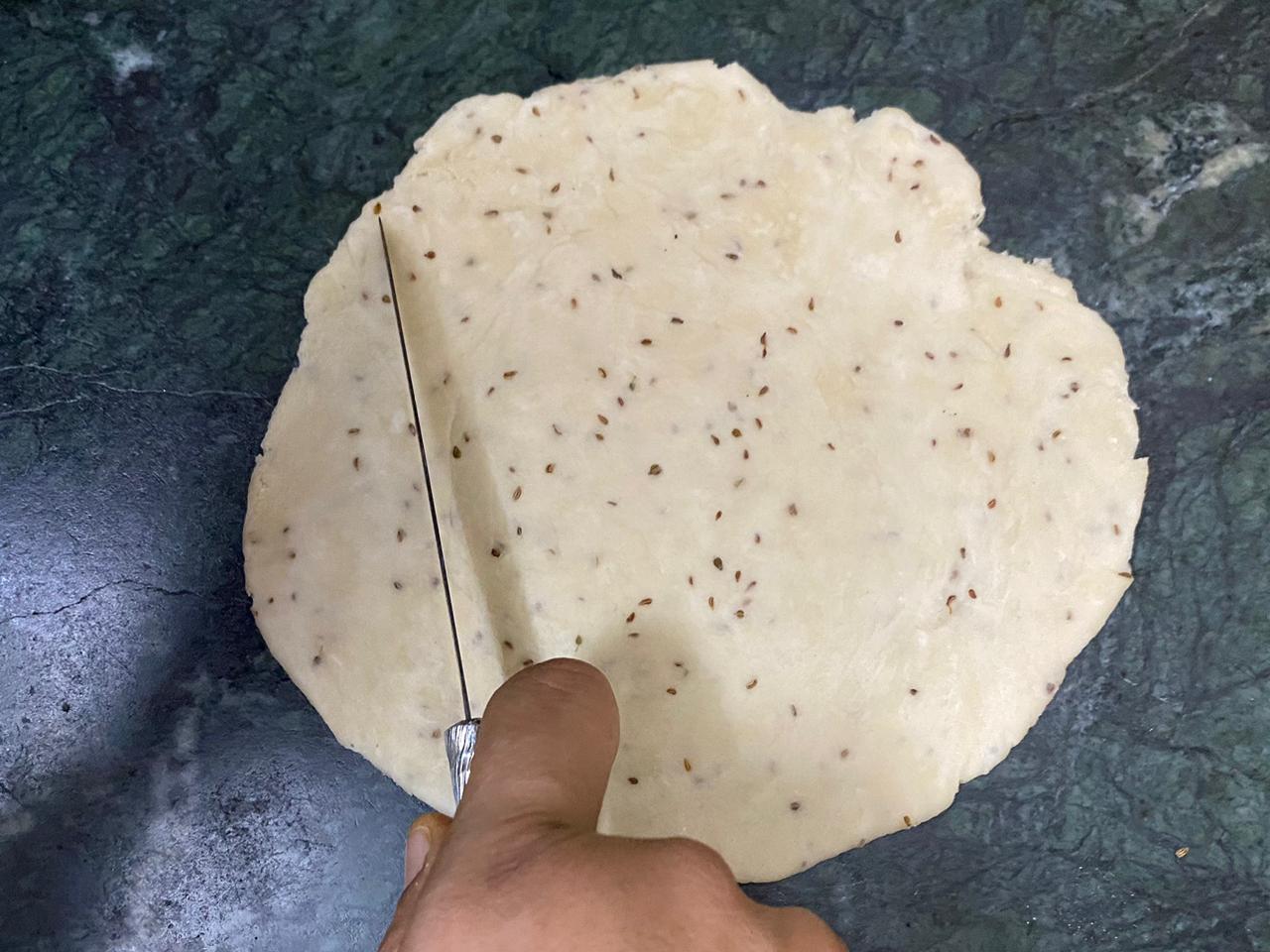
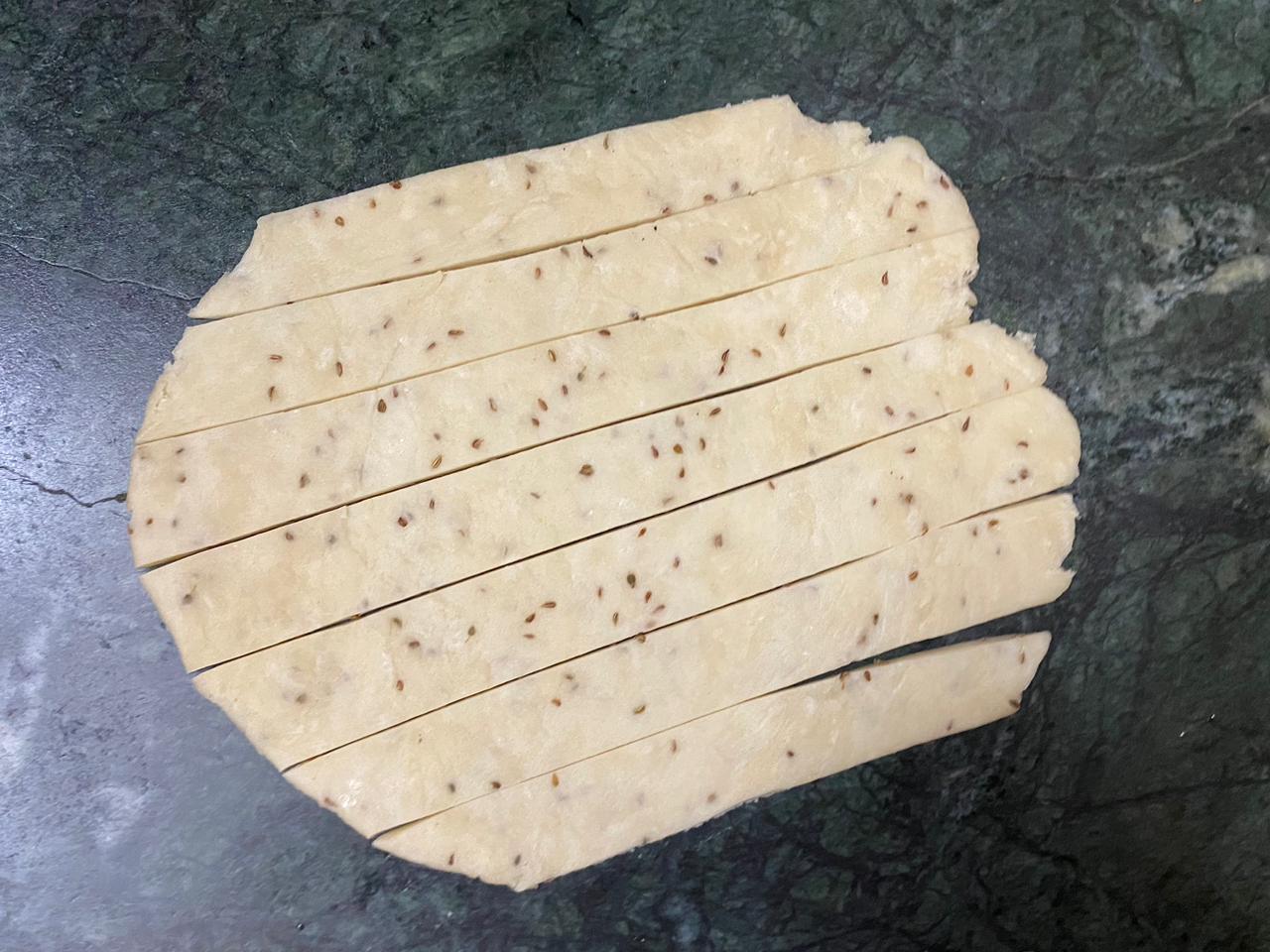
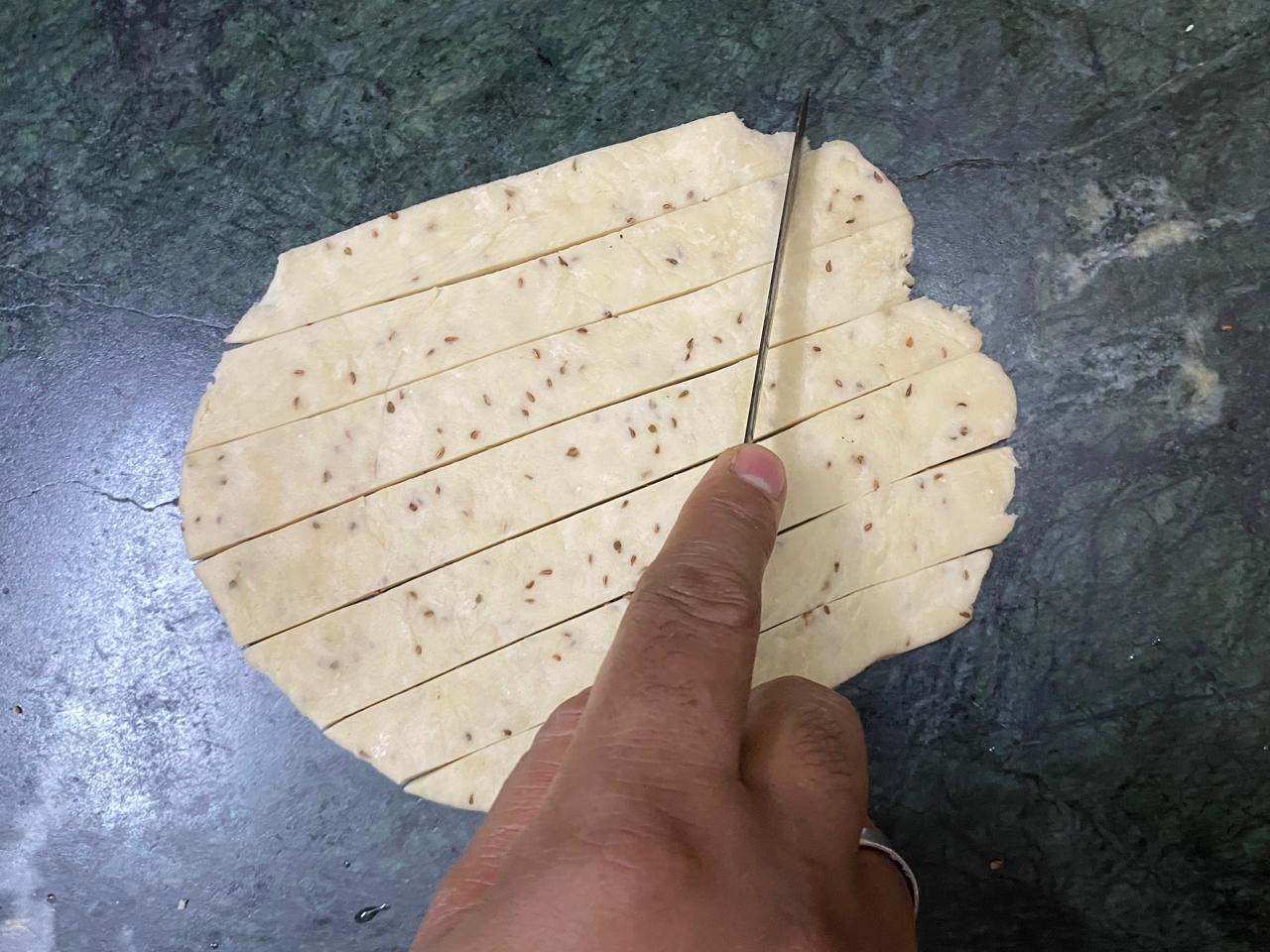
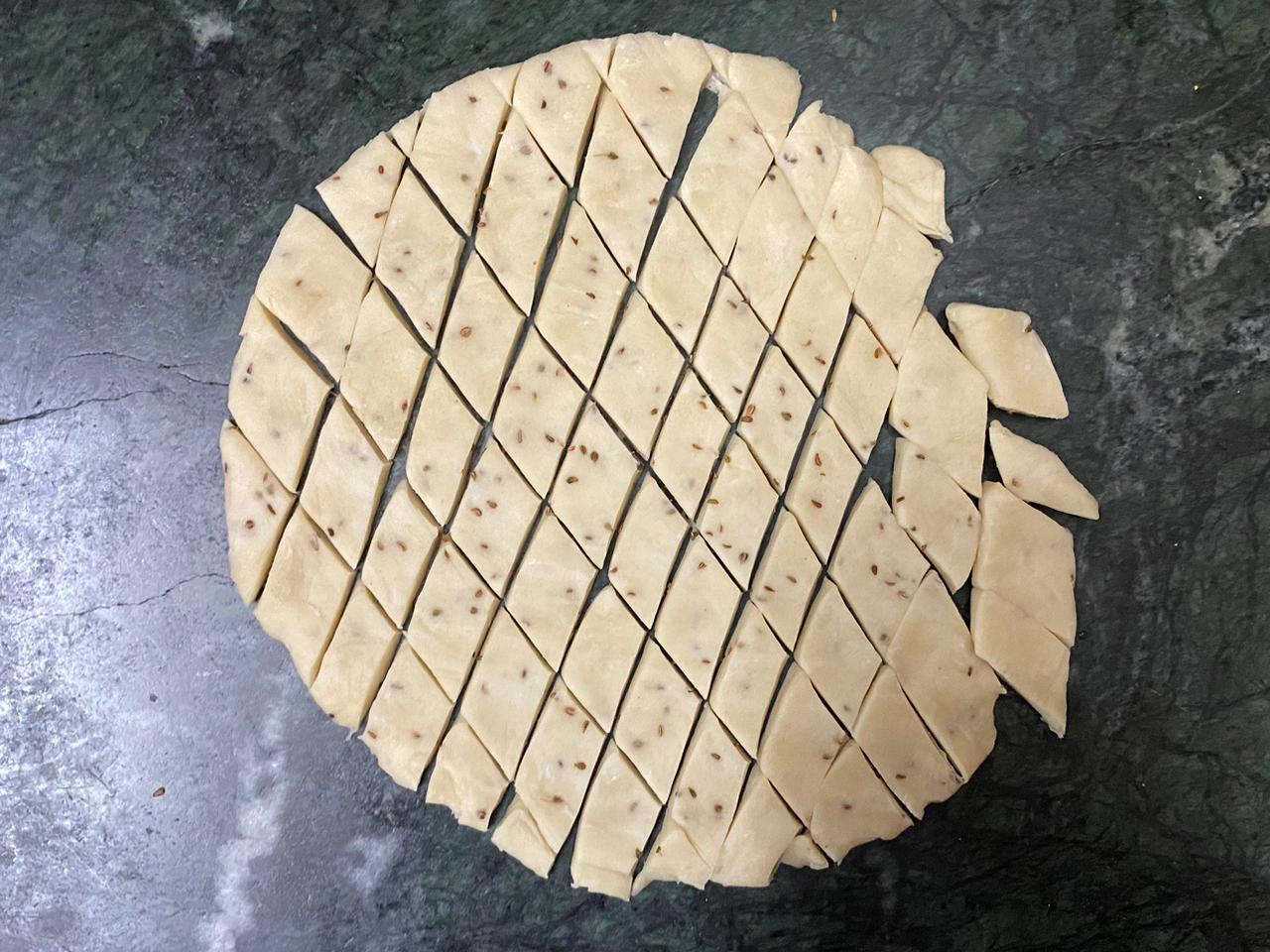
After 30 minutes, once the dough has rested, give it a quick knead.
Divide the dough into 3 equal portions.
Flatten and roll out to create a disc of 12-14 inch of around 1.5 mm thickness. Cut them horizontally and vertically in such a way that it forms like a diamond shape.
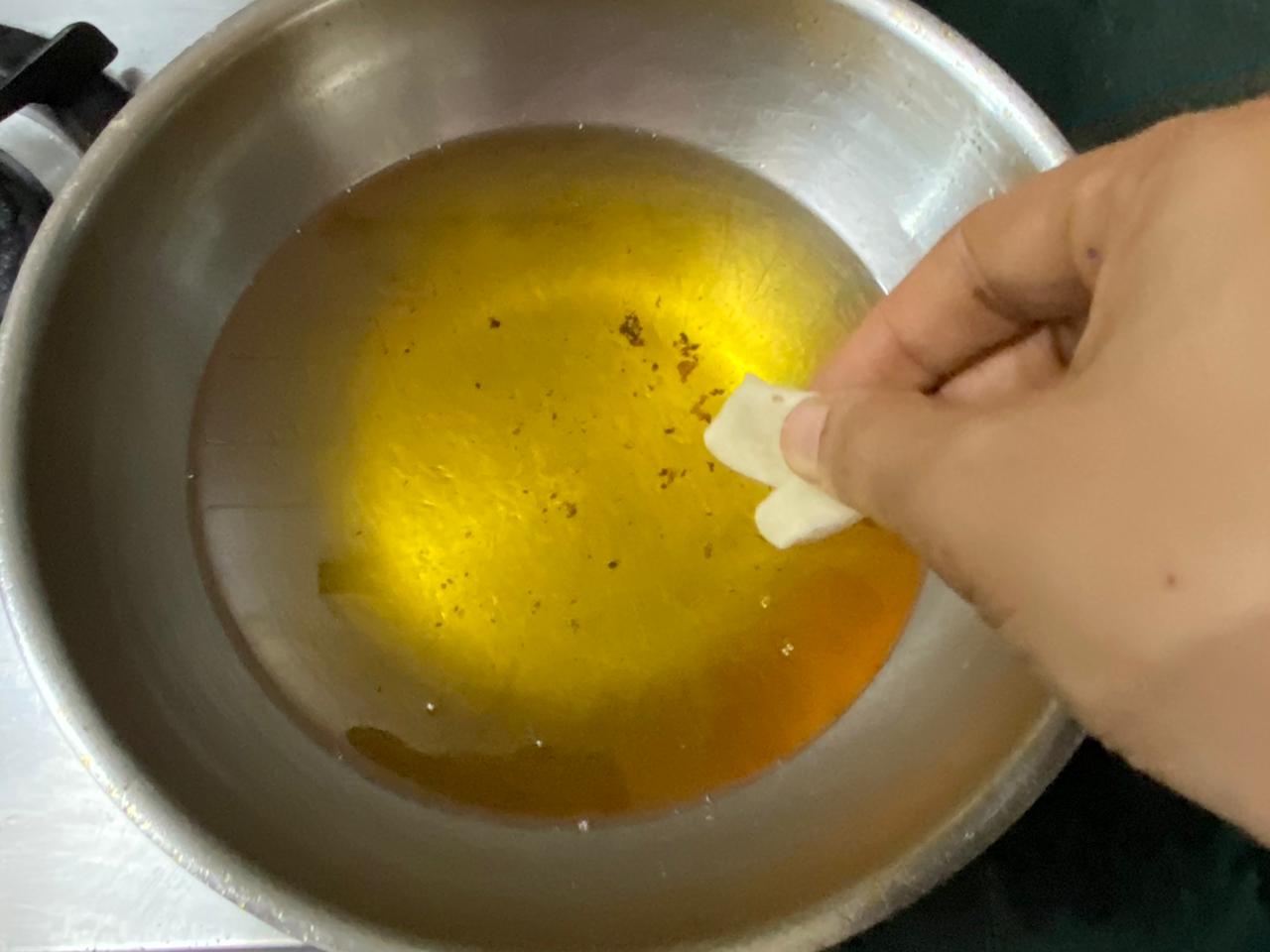
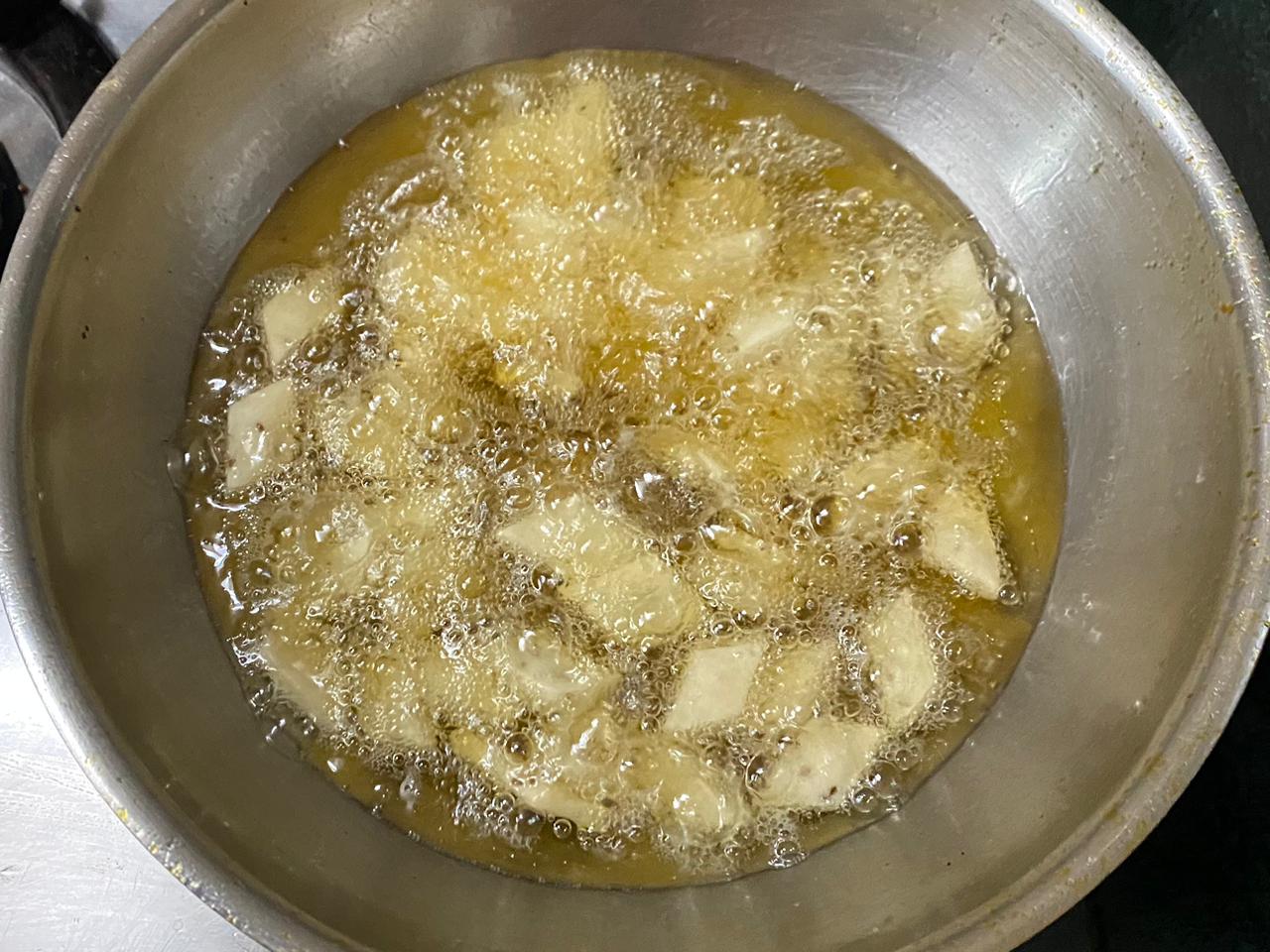
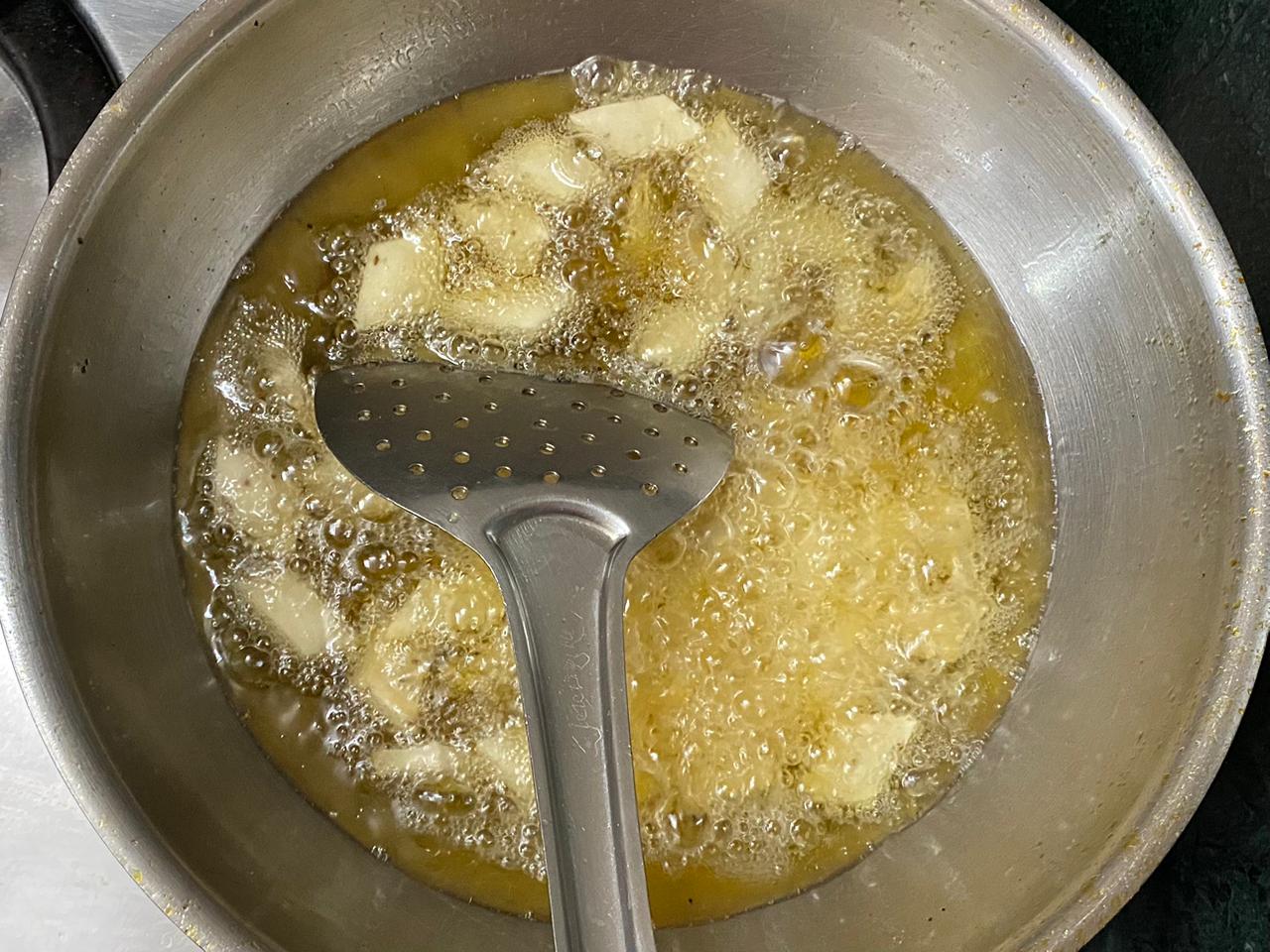
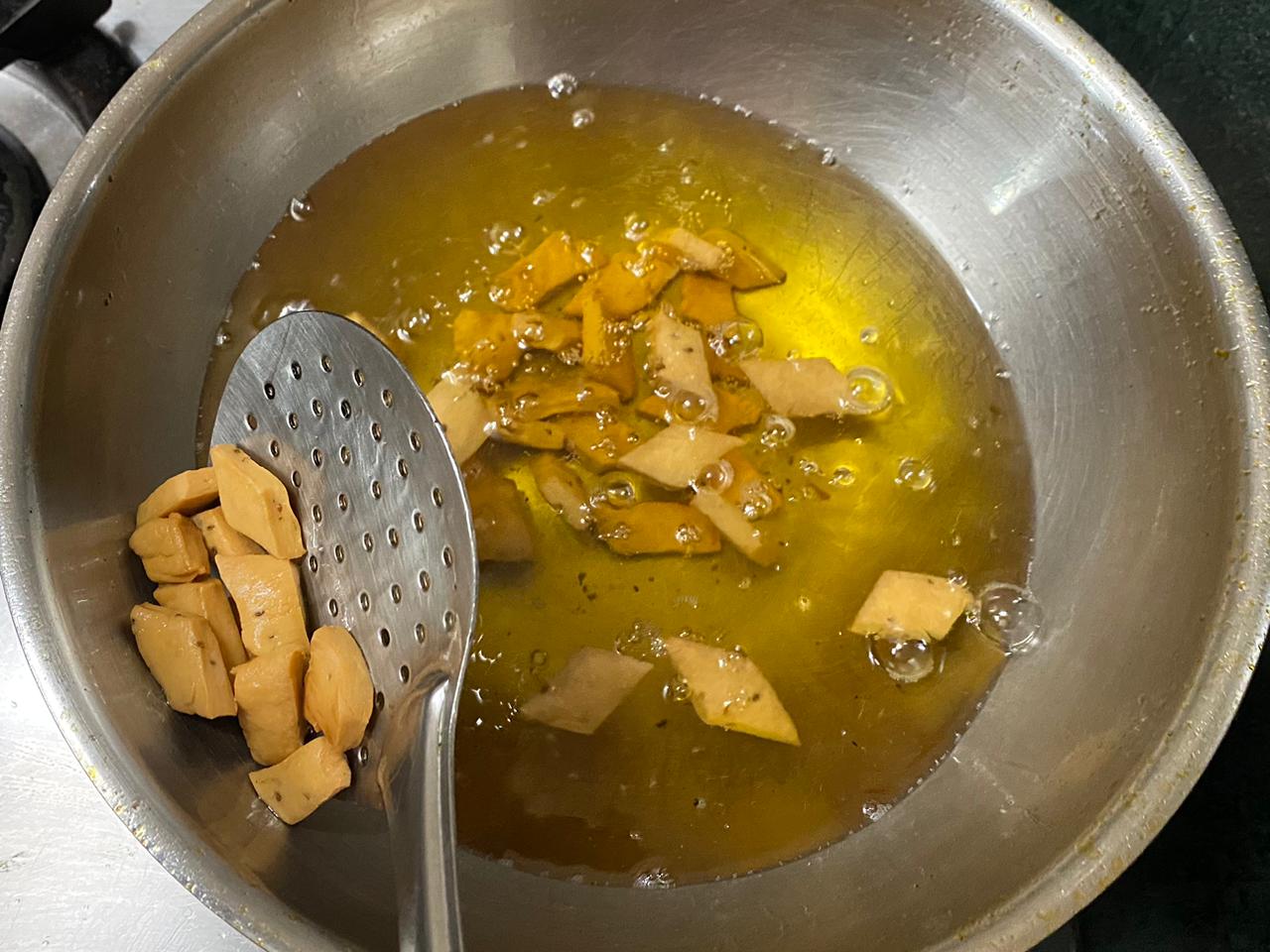
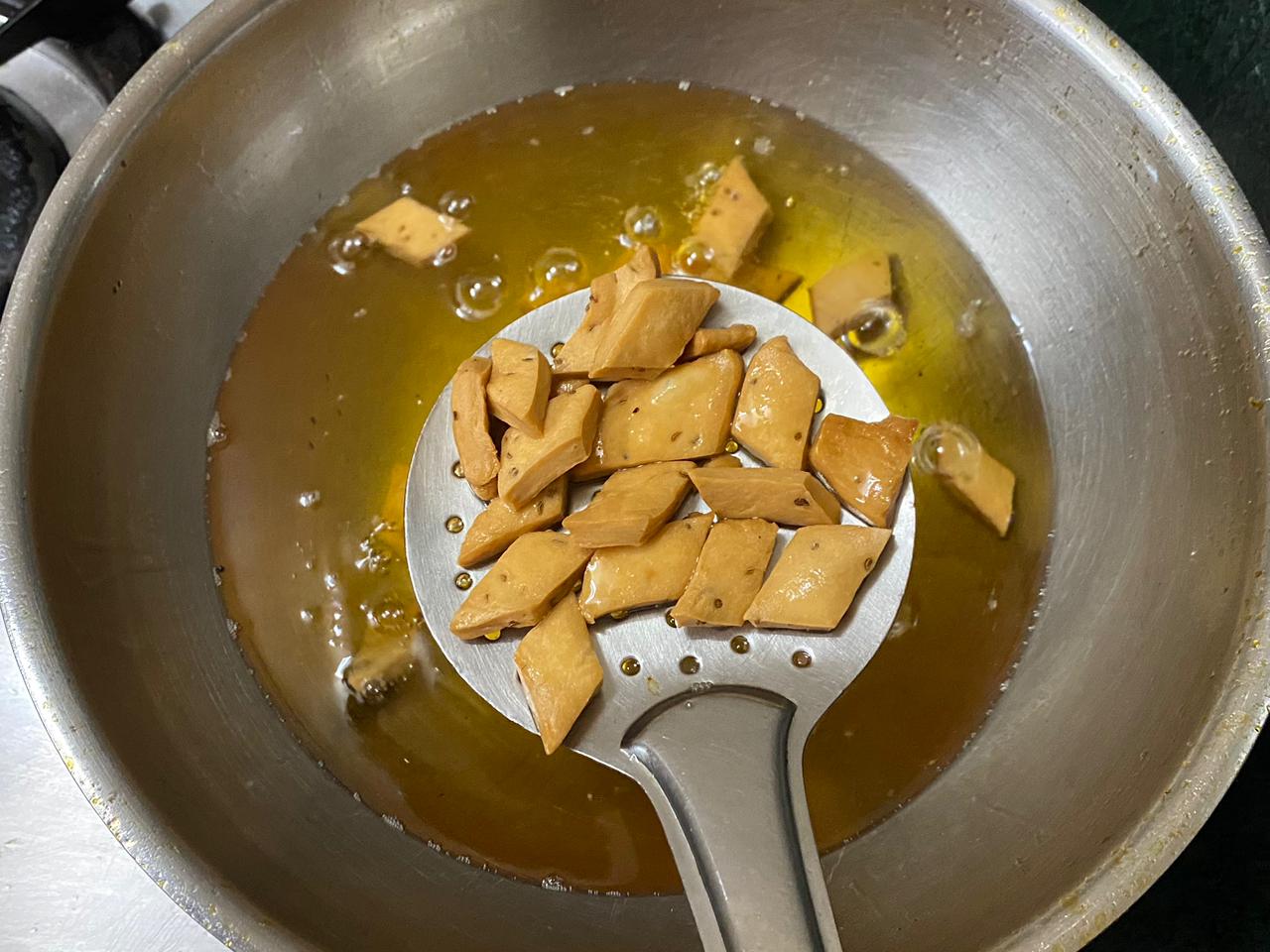
Heat the oil in a pan. To check if the oil is ready, drop a small piece of dough into the oil. It should take a few seconds for it to come up to the surface. That means the oil is ready.
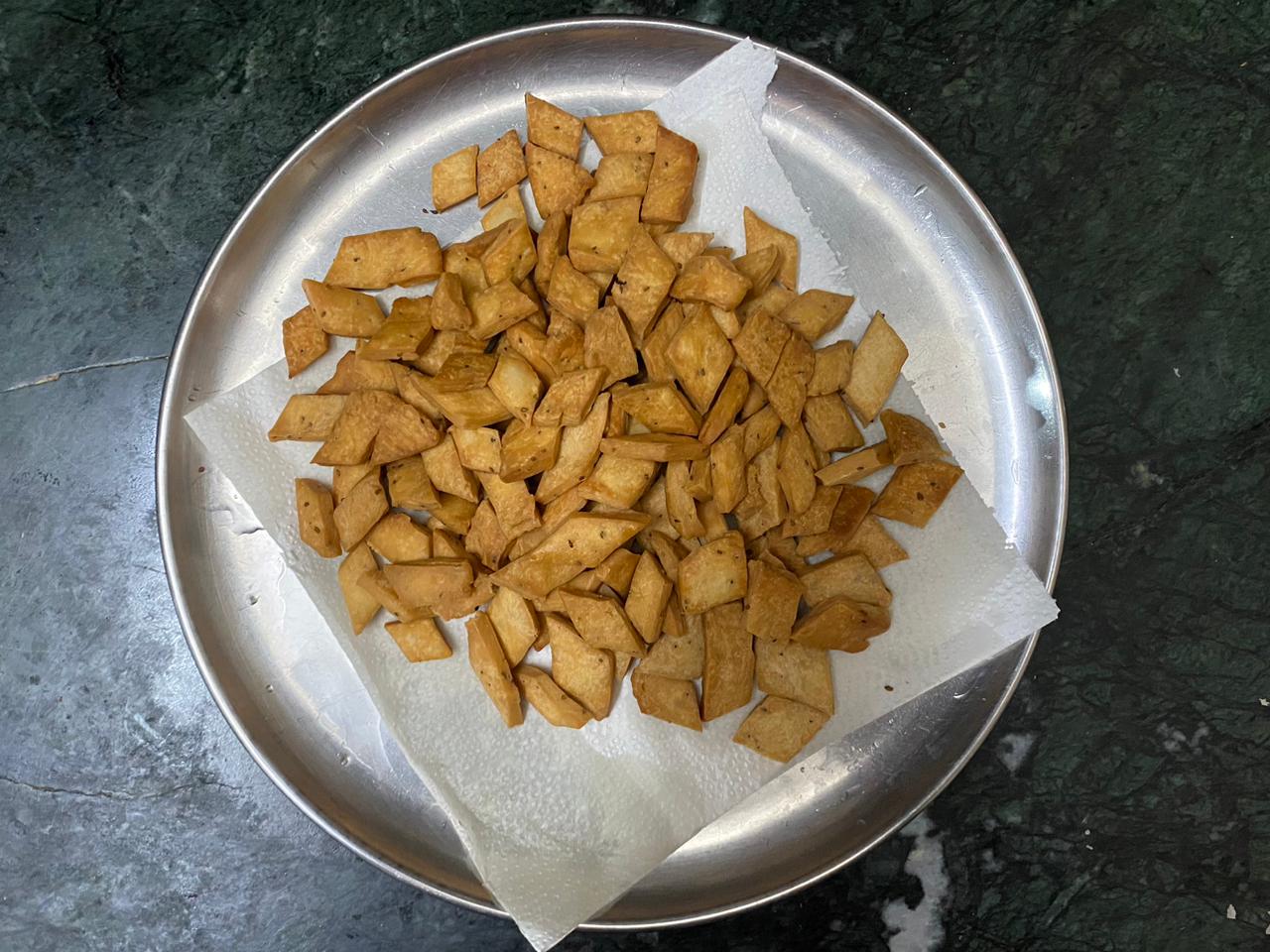
Drop the namak para carefully into the oil. Fry on low heat. Once the namak para are light brown in colour (around 8-10 minutes) then increase the heat to medium and fry until they are golden brown. Drain them on a paper towel to remove excess oil. Once you finish frying one batch, lower the heat again to low and wait until the temperature of the oil drops and then add the second batch.
Store them in air-tight containers and enjoy!