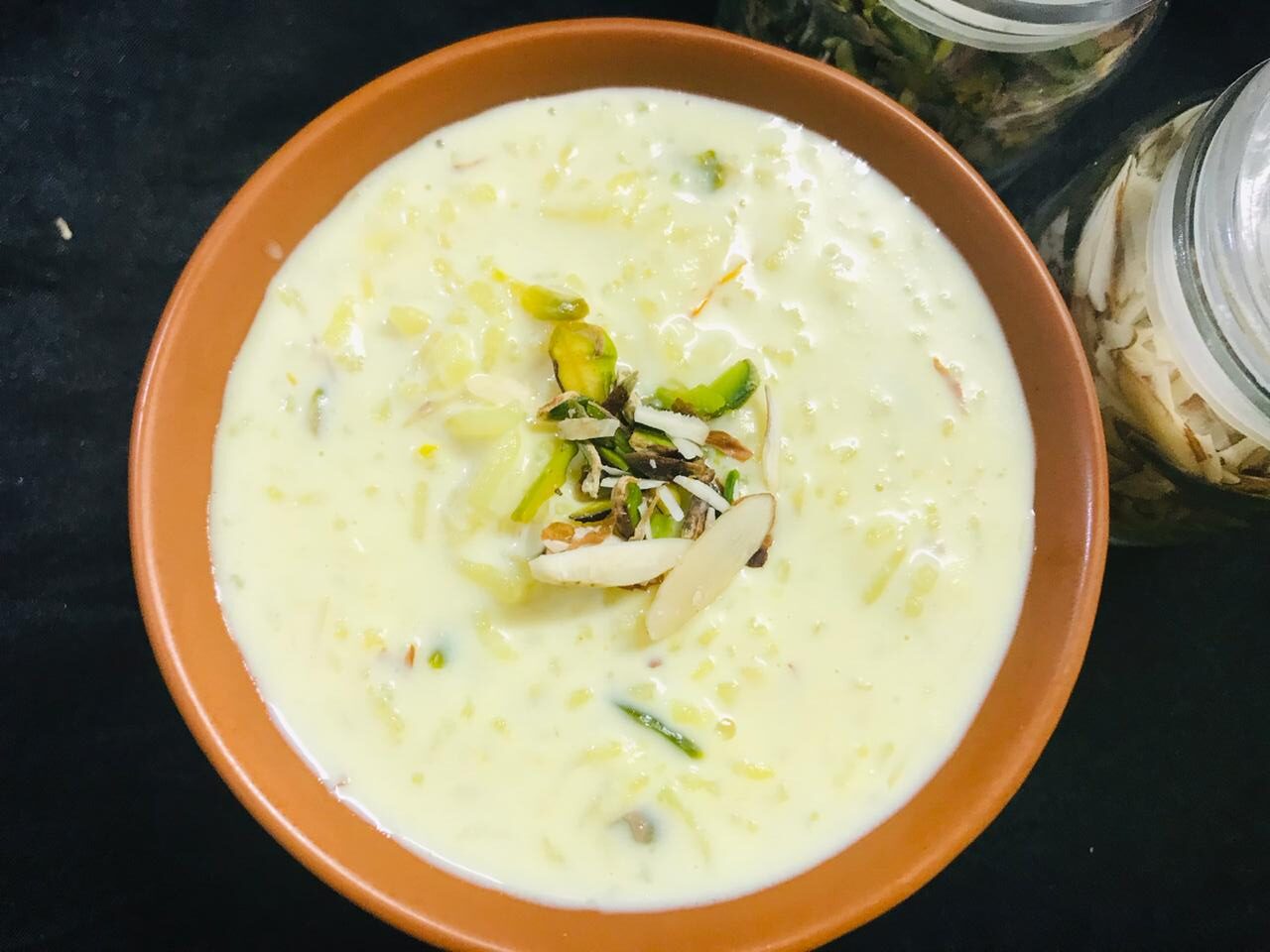
Sukhdi
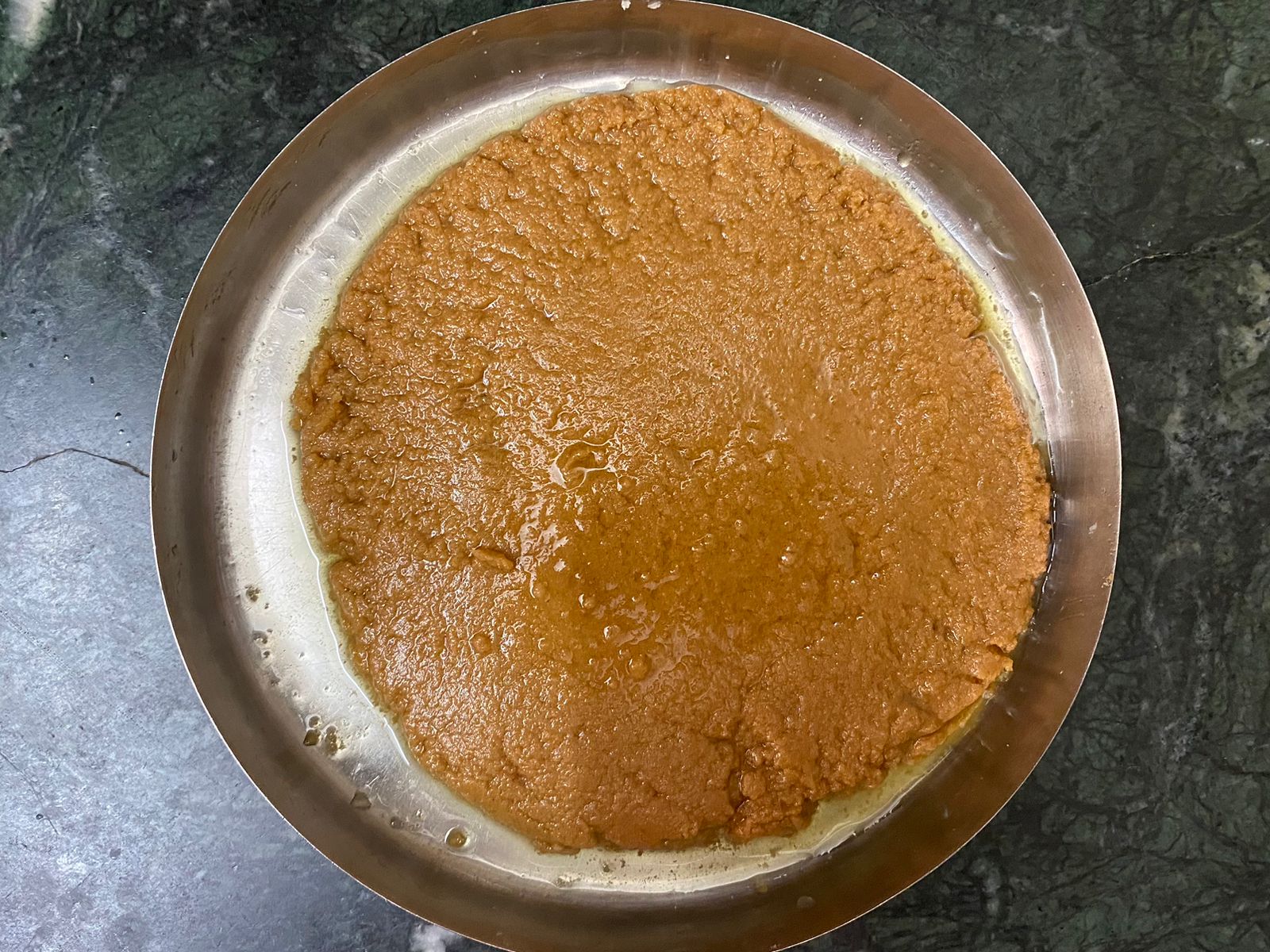
Sukhdi
Sukhdi Recipe is a traditional Gujarati sweet made with just three simple ingredients: whole wheat flour, jaggery and ghee. Rich, wholesome and melt-in-the-mouth delicious, this classic dessert delivers comfort and warmth in every bite. Known as Gur Papdi or Gol Papdi in Maharashtra, Sukhdi remains one of the easiest and most satisfying Indian sweets to make at home.
The word Sukh means “happiness” in Sanskrit and several Indian languages, including Hindi, Gujarati, Sindhi and Punjabi. True to its name, this humble sweet brings joy, comfort and contentment to every occasion. Moreover, roasted wheat flour, rich ghee and earthy jaggery come together to create a flavour that feels both nostalgic and irresistible.
What I love most about this Sukhdi Recipe is its simplicity. Unlike many traditional sweets that require elaborate techniques or lengthy preparation, Sukhdi comes together quickly using just three everyday ingredients. As a result, many home cooks choose it as one of the first Indian sweets they learn to make.
Sukhdi also holds deep cultural and religious significance in Gujarat. Devotees prepare and offer it as prasad at the famous Jain temple in Mahudi before consuming it within the temple premises. Consequently, generations of families associate this simple sweet with faith, tradition and cherished memories.
During the winter months, many households prepare Sukhdi because jaggery and ghee are traditionally considered warming ingredients. Furthermore, families often make it during festivals such as Diwali, Holi and Ganesh Chaturthi, when homemade sweets take centre stage.
Whether you want a quick dessert, a festive treat or a traditional Gujarati delicacy, this Sukhdi Recipe will quickly earn a place among your favourite homemade sweets.
What is Sukhdi?
Sukhdi is a traditional Gujarati sweet prepared by roasting whole wheat flour in ghee and sweetening it with jaggery. The mixture is then spread into a tray and cut into squares or diamonds.
Unlike many Indian sweets that require sugar syrup or specialised techniques, Sukhdi relies on simple pantry ingredients. As a result, it is one of the easiest traditional desserts to make at home.
Why You’ll Love This Sukhdi Recipe
Made with only 3 ingredients
Quick and easy to prepare
Rich and comforting flavour
Traditional Gujarati sweet
Perfect for festivals
Naturally vegetarian
Great for gifting and sharing
Moreover, the recipe requires minimal preparation and delivers maximum flavour. In addition, it stores well, making it ideal for festive celebrations and family gatherings.
Ingredients You’ll Need
Whole Wheat Flour
Whole wheat flour forms the base of the recipe and develops a delicious nutty flavour when roasted.
Ghee
Ghee adds richness, aroma and the characteristic melt-in-the-mouth texture.
Jaggery
Jaggery provides natural sweetness and a deep caramel-like flavour that makes Sukhdi so distinctive.
Serving Suggestions
Serve Sukhdi:
During Diwali celebrations
At Holi and Ganesh Chaturthi
As an afternoon sweet snack
Alongside tea or coffee
As a homemade edible gift
Alternatively, enjoy it warm straight after setting for an extra indulgent treat.
What Makes This Recipe Special?
This Sukhdi Recipe stands out because it transforms three everyday ingredients into an incredibly flavourful dessert. Unlike elaborate sweets that require hours of preparation, Sukhdi celebrates simplicity.
Moreover, the combination of roasted flour, ghee and jaggery creates a rich flavour and soft texture that generations have loved. As a result, it remains a timeless favourite across Gujarat and beyond.
Storage
Store Sukhdi in an airtight container at room temperature for up to 10 days.
Once completely cooled, it retains its texture and flavour beautifully. In fact, many people feel it tastes even better the next day.
Sukhdi Recipe FAQs
Is Sukhdi the same as Gur Papdi?
Yes. Sukhdi is commonly known as Gur Papdi or Gol Papdi in Maharashtra, although slight regional variations may exist.
Can I make it with sugar instead of jaggery?
Traditionally, this recipe is prepared with jaggery. However, sugar can be used if required, although the flavour will differ.
Why is my Sukhdi hard?
Overcooking the jaggery can make the sweet firm and hard. Therefore, remove the mixture from the heat as soon as the jaggery melts and combines with the flour.
Can I add nuts to the recipe?
Absolutely. Almonds, pistachios and cashews make excellent additions and add texture.
Is it a festival sweet?
Yes. Sukhdi is commonly prepared during Diwali, Holi, Ganesh Chaturthi and other festive occasions.
Other recipes you might like are Atta Ladoo, Rajasthani Besan Churma, Gond Ke Ladoo, Instant Badam Halwa and Gajar Halwa.

Ingredients
¾ cup ghee
1 cup wheat flour
½ cup crushed jaggery
Directions

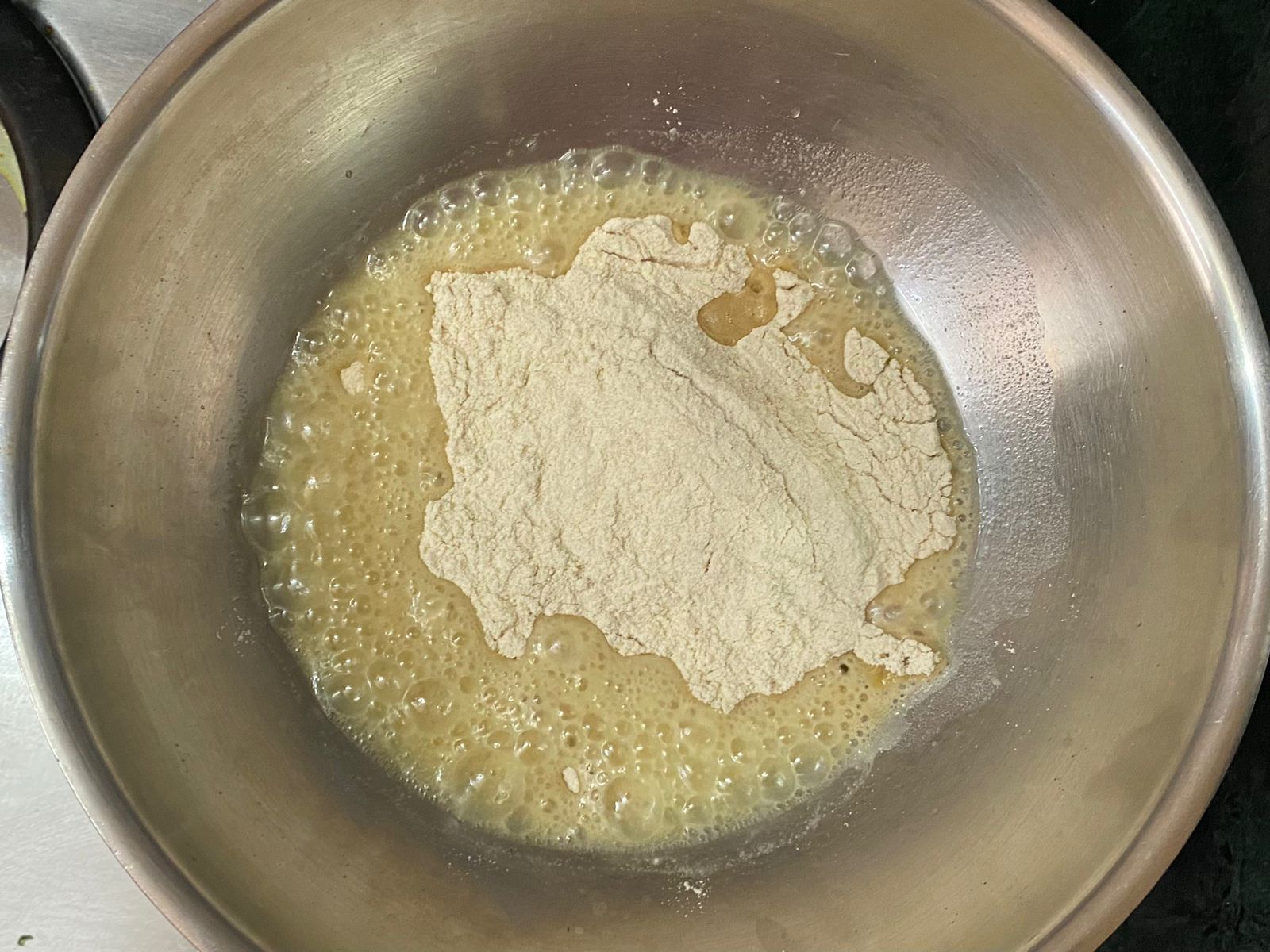


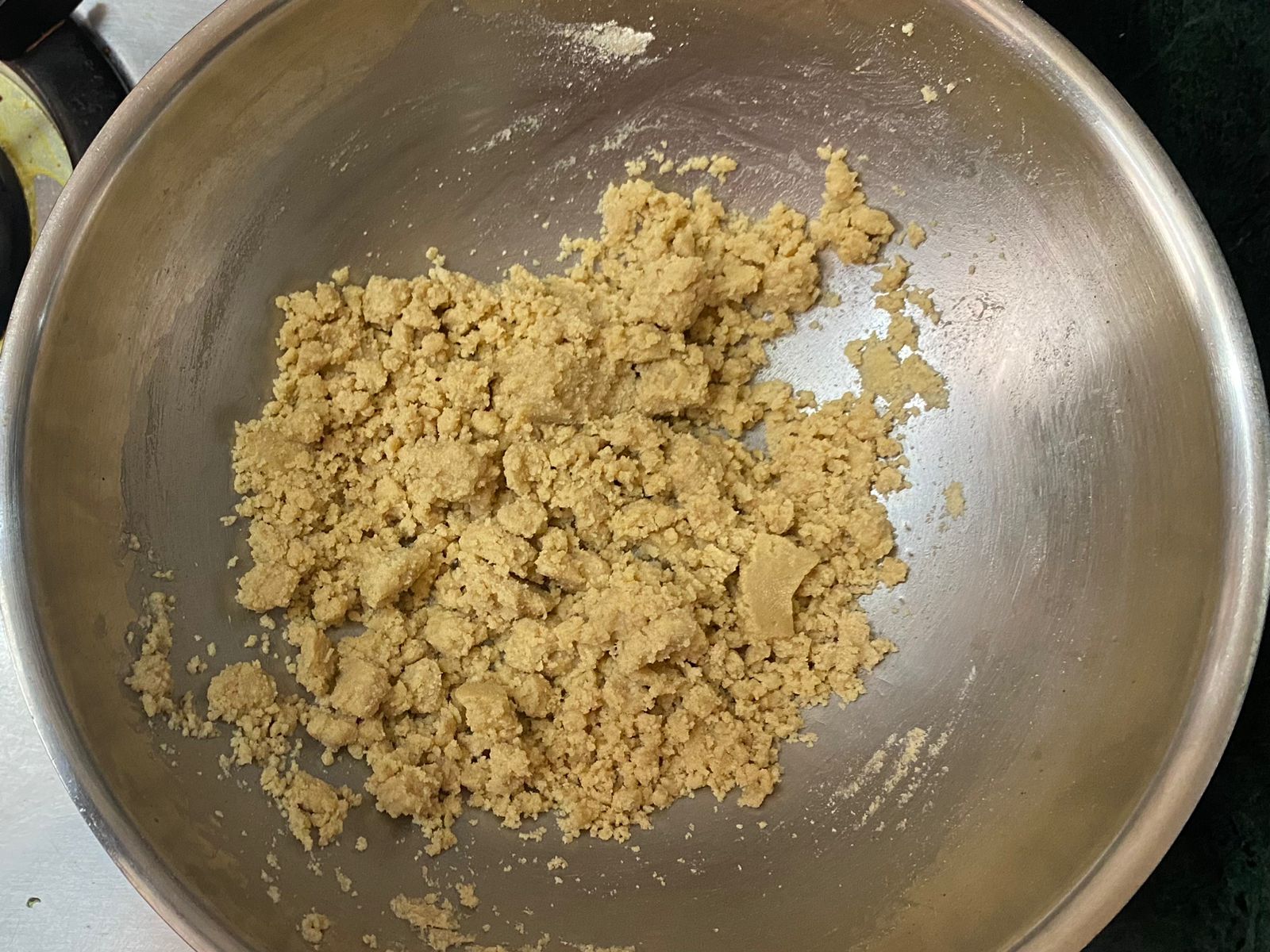


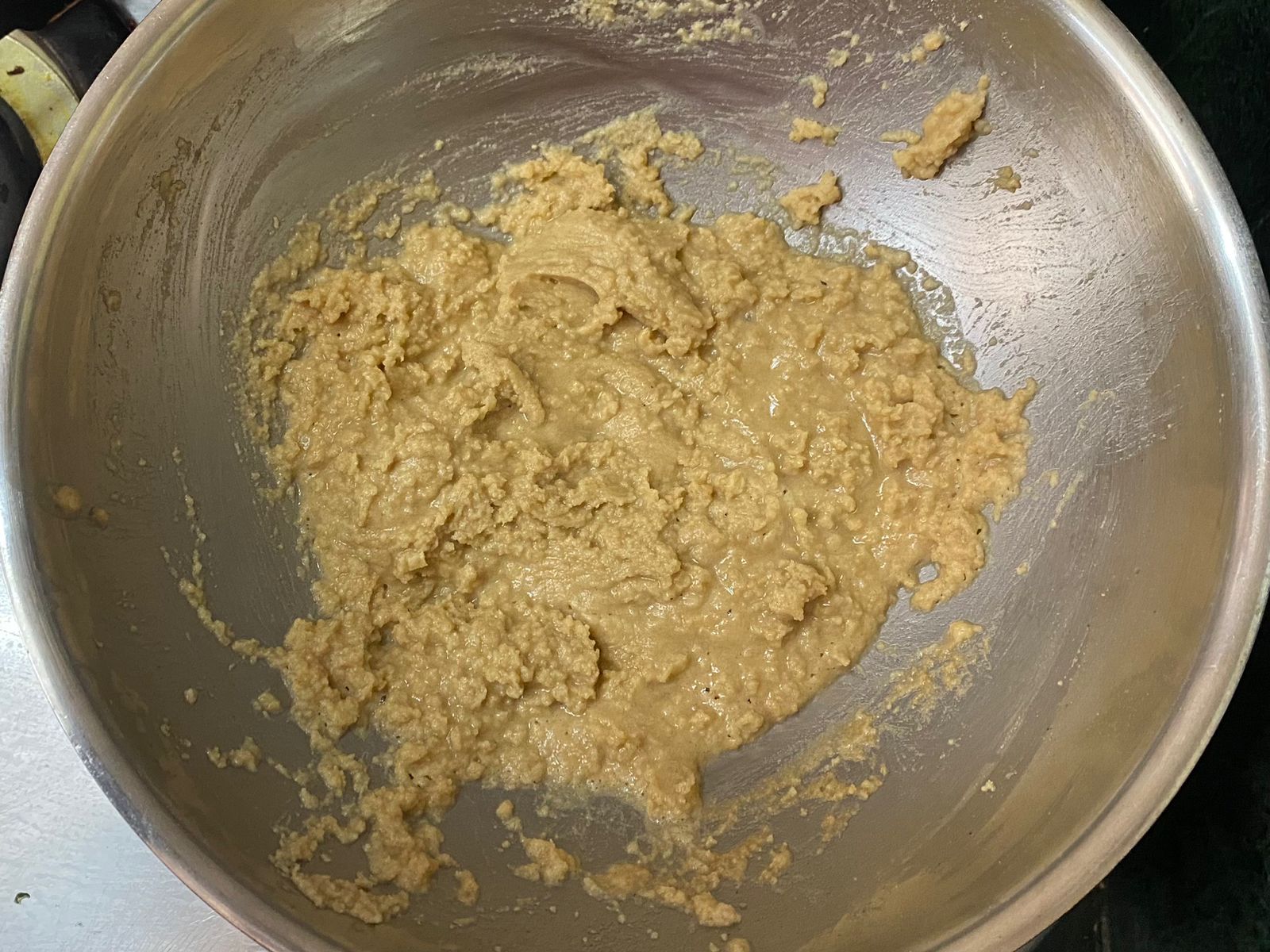

Heat ghee in a pan and add the wheat flour and roast the flour on low heat for around 10-15 minutes. Stir continuously while roasting the flour so that there is even roasting and browning. Once roasted the flour begins to turn slightly golden, releases a nutty aroma and the ghee begins to leave the sides.
When the flour turns golden in colour, turn off the heat and keep the mixture aside.

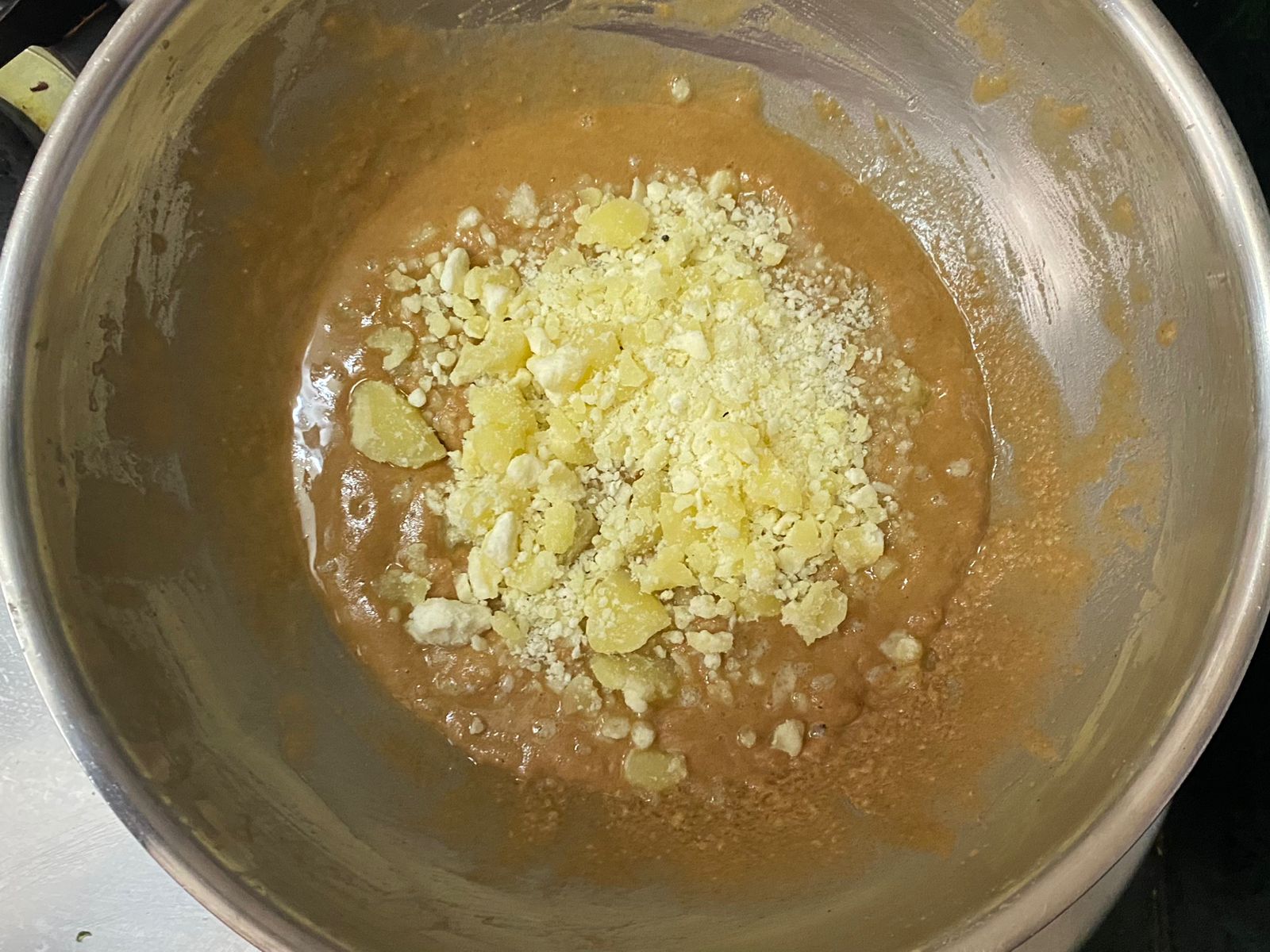


Next, add the jaggery and mix so that the jaggery is mixed thoroughly in the flour-ghee mixture. In hot flour mixture the jaggery melt itself. This step is very important, this will avoid the atta from being overcooked.


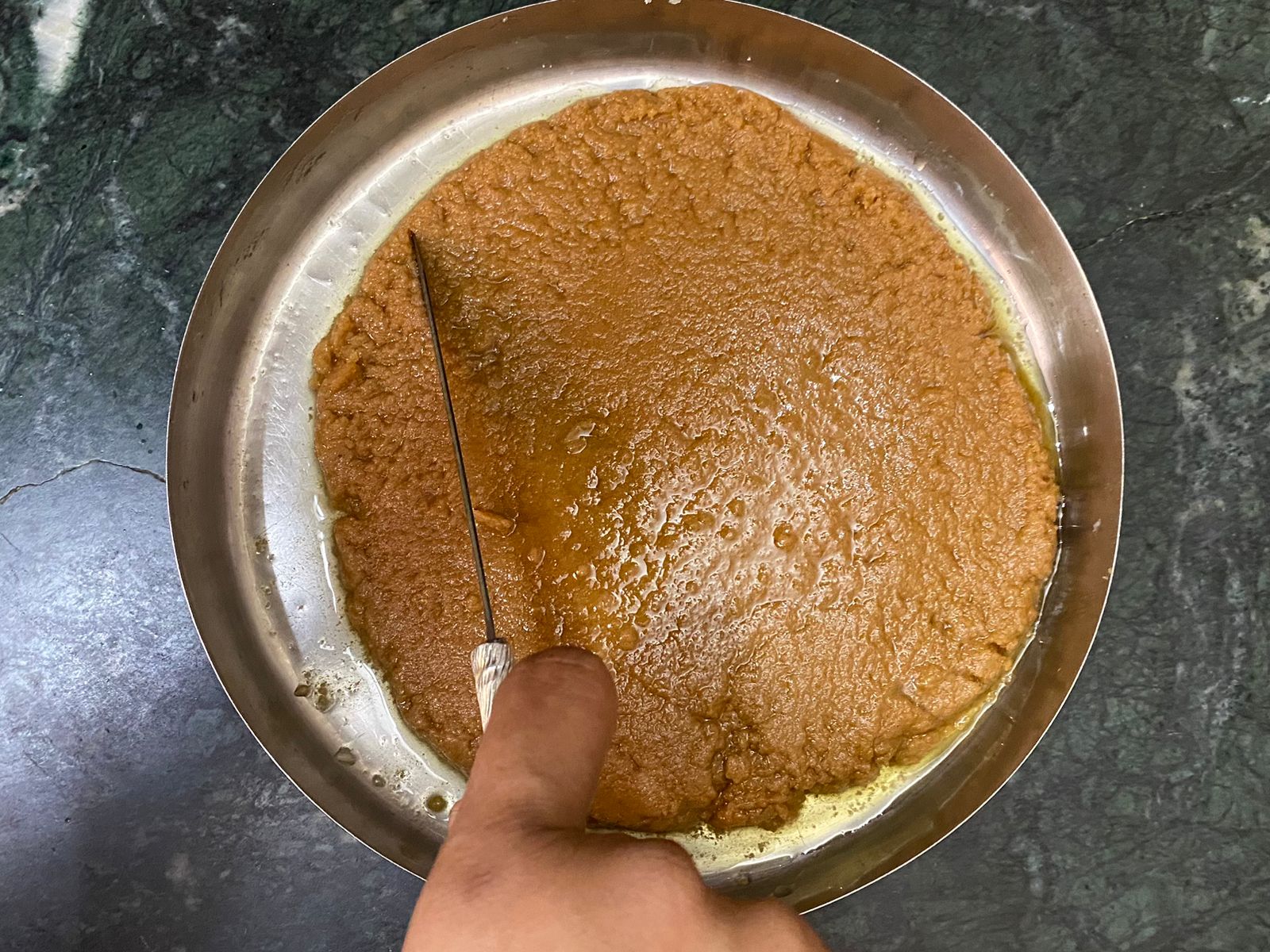


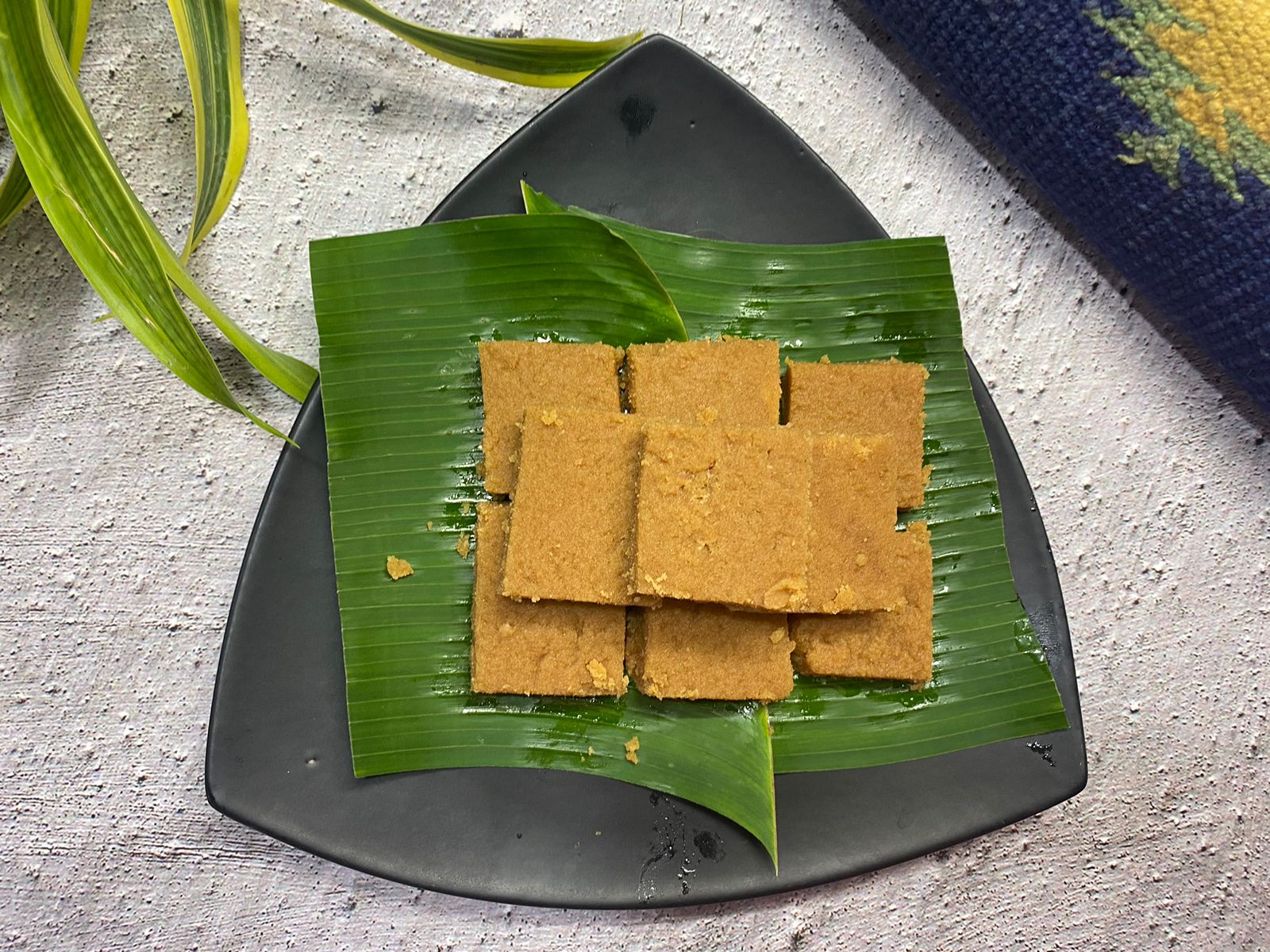
Grease a tray, thali or baking pan with melted ghee or oil. Pour the prepared mixture into the tray or thali and spread evenly using a spatula. Let it cool for 5-6 minutes. While it is still warm, slice into the desired shape and size.
Enjoy!